
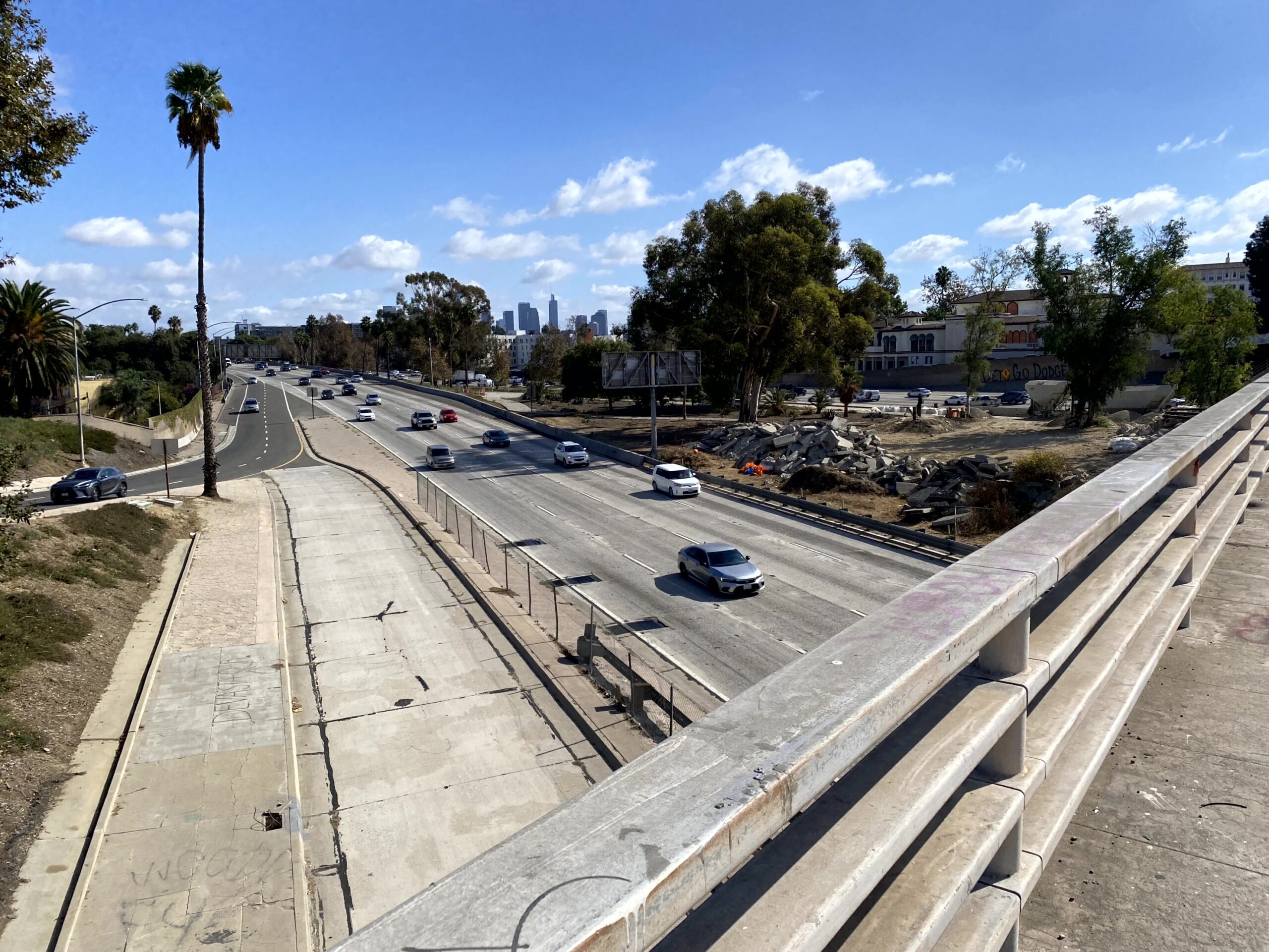
Where West Hollywood is its own city, its eastern counterpart is part and parcel of Los Angeles proper. East Hollywood has also become one of the hottest neighborhoods in LA in the mid-2020s.
Originally a farming village in the early 20th century, the western end of the famous and historic Route 66 ran across Santa Monica Boulevard, fully encompassing East Hollywood prior to the implementation of the national highway system and the slalom of freeways we know in LA today.
Bounded by Hollywood Boulevard to the north and Beverly Boulevard to the south, then Western Avenue to the west and Hoover Street to the east, the small area near Los Feliz and Silverlake is a storied melting pot of deeply-rooted immigrant communities and cultural touchstones. East Hollywood is home to a diverse and vibrant culinary scene with slivers of nightlife, and offers instant access to the 101 in addition to major public transit routes.
Whether you’re a lifelong Angelino or a transplant who came for the media industry, here’s why East Hollywood is capturing hearts and lease signatures.
Pros and Cons of Living in East Hollywood
East Hollywood has a great deal to offer to prospective residents. Located along the northern end of the Vermont Corridor, a major arterial road that stretches 12.4 miles, the area is very walkable compared to most neighborhoods in Los Angeles. Situated smack in the middle of the 101, you can also immediately hop on and off to go nearly anywhere.
However, the extreme proximity to the freeway also means that some parts of the neighborhood can be painfully loud, especially during rush hour. The on-ramps and off-ramps of the 101 along Vermont Avenue between Clinton Street and Oakwood Avenue can become incredibly congested and spread the bottleneck to street traffic if there’s lane closures or back-ups.
Parking can also be difficult to find in East Hollywood, as many older buildings do not include parking lots. Garages are not as plentiful as they are in Koreatown two miles away, and DTLA four miles away. Luckily, a major pro to East Hollywood is that there are transit options, including Metro rail and bus plus Dash routes.
East Hollywood has some beautiful residential blocks, then you immediately enter Mordor with less aesthetic industrial blocks on the opposite side that don’t always feel safe. If you don’t have a lovely yard to yourself though, the neighborhood is lacking in green space compared to other parts of Los Angeles. But an upside is that you’re incredibly close to the leafier enclave of Los Feliz, with sprawling Griffith Park just a short bus ride away.
You’ll have no shortage of dining options in East Hollywood, with so many different cuisines at a wide range of price points. While there are some grocery stores and small shops, there isn’t as much “anything you possibly need” type shopping at your fingertips like in DTLA or Hollywood proper. But if you don’t mind hopping on the red line or driving 5-10 minutes, it’s still definitely closer than the more suburbanized areas of the city.
Housing in the Neighborhood
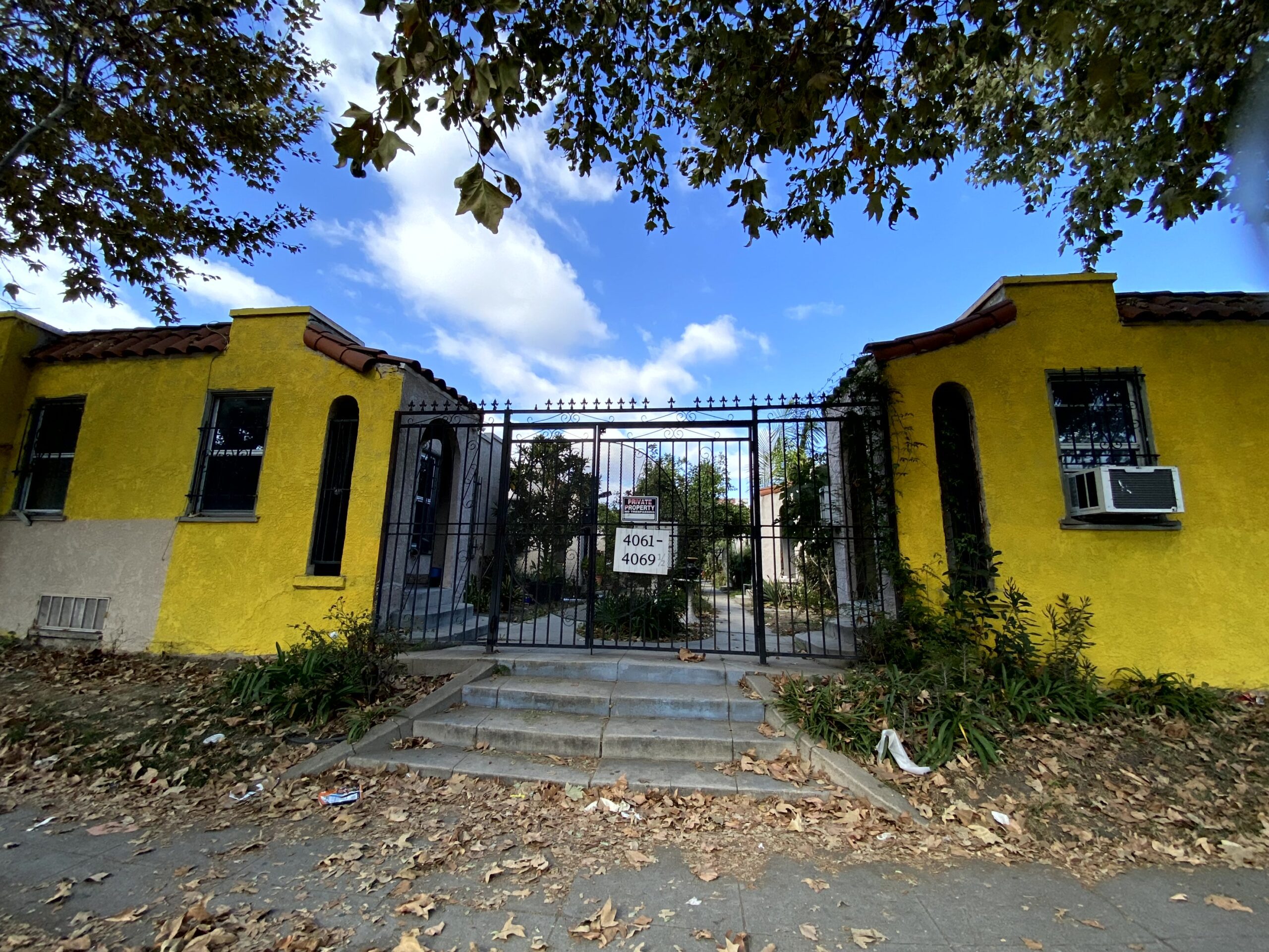
Most of the housing in East Hollywood is on the mid-century or outright older side. This means low-rise apartment buildings, bungalow apartments unique to Los Angeles, and single-family homes off of the main drag. Newer apartment complexes and high-rises are also being built along Vermont Avenue and Santa Monica Boulevard to take advantage of the transit infrastructure.
The farther north you go up Vermont Avenue towards the northern boundary of the neighborhood, the less likely you are to see huge apartment buildings. The side streets primarily have small single-family homes and bungalow developments with about 10-15 apartments. You may even see the occasional dingbat, though these are more common in Los Feliz.
If you’re seeking an apartment with amenities like central air conditioning and modern appliances, you won’t find many in East Hollywood. Most of them are still being built at the time of writing.
Logistics and Transportation
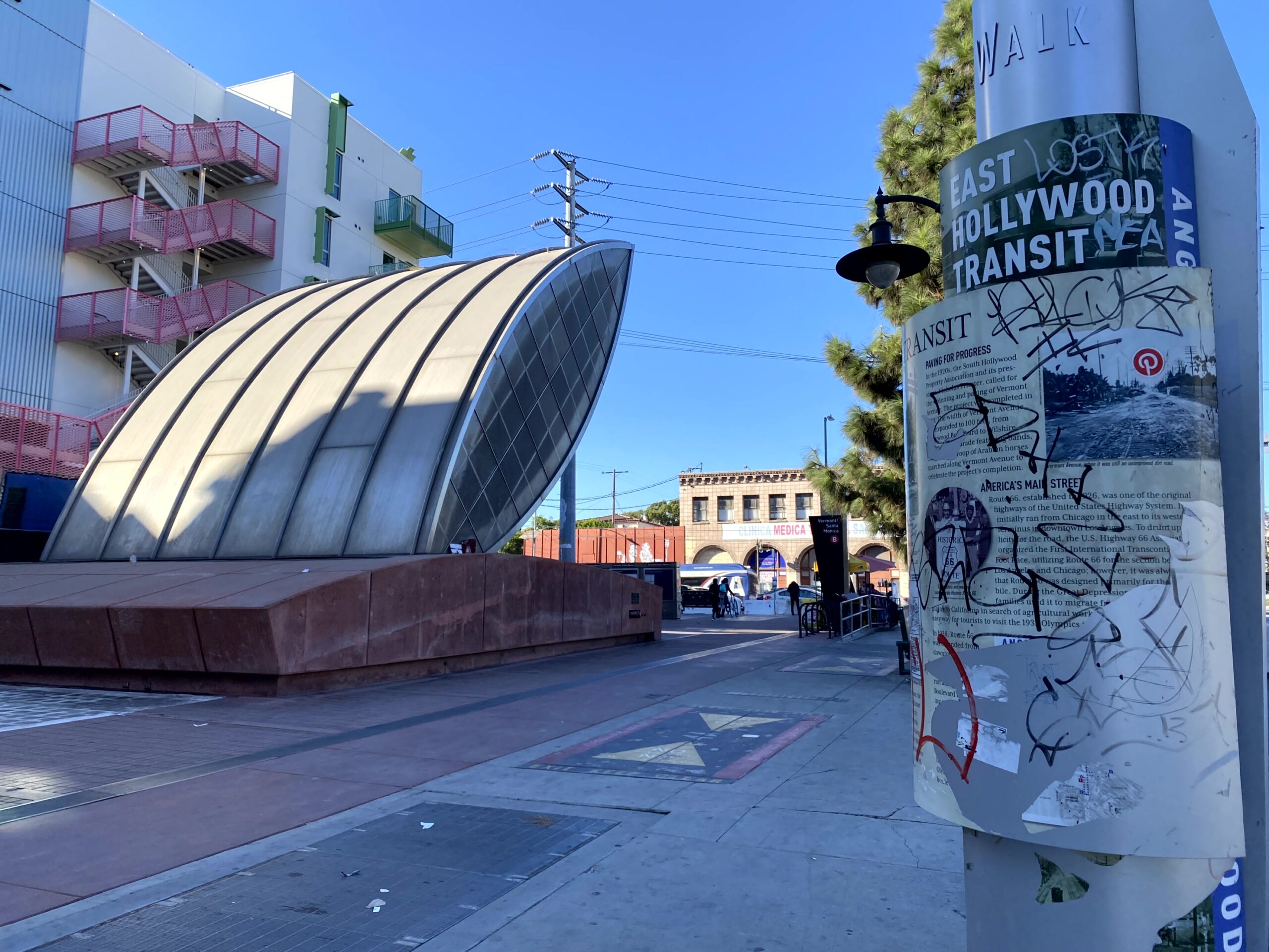
The proximity to the 101 is the chief draw of living in East Hollywood if you need to quickly reach North Hollywood, Burbank, or DTLA. But if you want to ditch your car in East Hollywood to save money and avoid perpetual parking hassles, it’s extremely doable to live in this neighborhood without a car.
Depending on which block you’re on, you can even reach DTLA and North Hollywood even faster than by car since the Metro B line runs along Vermont Avenue until you reach Sunset Boulevard, then it diverts to Hollywood Boulevard where you can pick it up at Hollywood/Western in the neighborhood’s northwestern boundary. Buses to the west side, Highland Park, Eagle Rock, Pasadena, DTLA, and Athens are also available.
Additionally, Metro has a Bus Rapid Transit (BRT) project in the works for the Vermont Corridor to enhance safety and improve congestion along the 754 and 204 bus lines and provide faster service with dedicated BRT lanes similar to the G and J busways. Metro anticipates the Vermont BRT will be complete in 2028.
Things to Do in East Hollywood
East Hollywood is part of the nightlife cluster that is Los Feliz and Silverlake, with DTLA and Koreatown doing the heavy lifting there. While not a sleepy neighborhood by any means, East Hollywood is a little quieter at night compared to them.
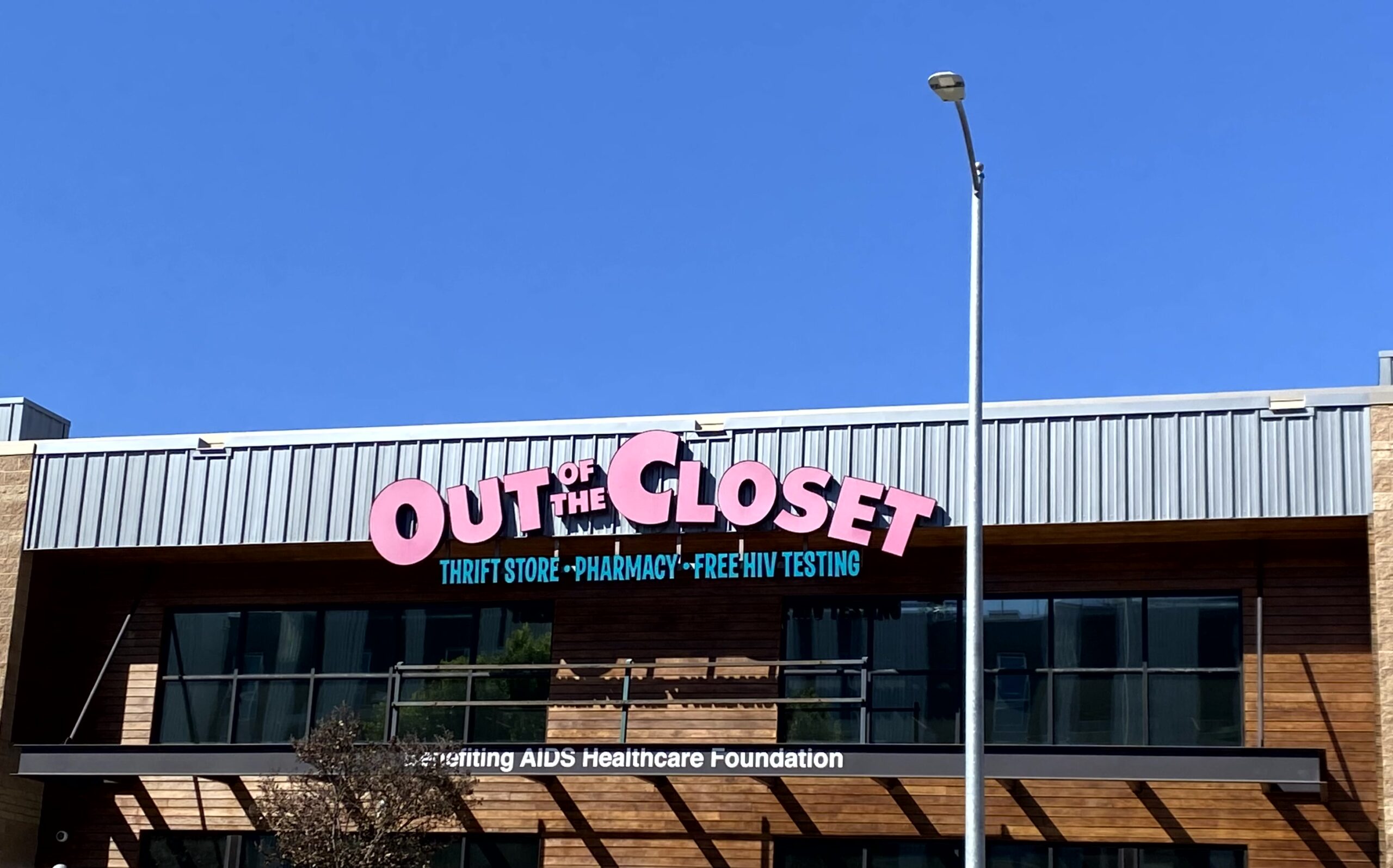
You’ll find billards bars, gay bars, hole-in-the-wall clubs, and established music venues like The Vermont Hollywood. If you love thrifting, this eastern portion of Melrose Avenue and Virgil Avenue boasts vintage and retro shops then you got the LACC Swap Meet for serious bargain shoppers. Every Saturday, Vermont Avenue itself becomes an informal swap meet outside the official one once you’re north of the 101 off-ramp. There’s also the Out of the Closet thrift shop, where you can find numerous treasures in addition to LGBTQ+ support services.
If you’re more into quiet contemplation rather than nightlife, you can visit Cahuenga Library just outside the neighborhood’s eastern boundary on Santa Monica Boulevard, it’s one of the famous Carnegie Libraries.
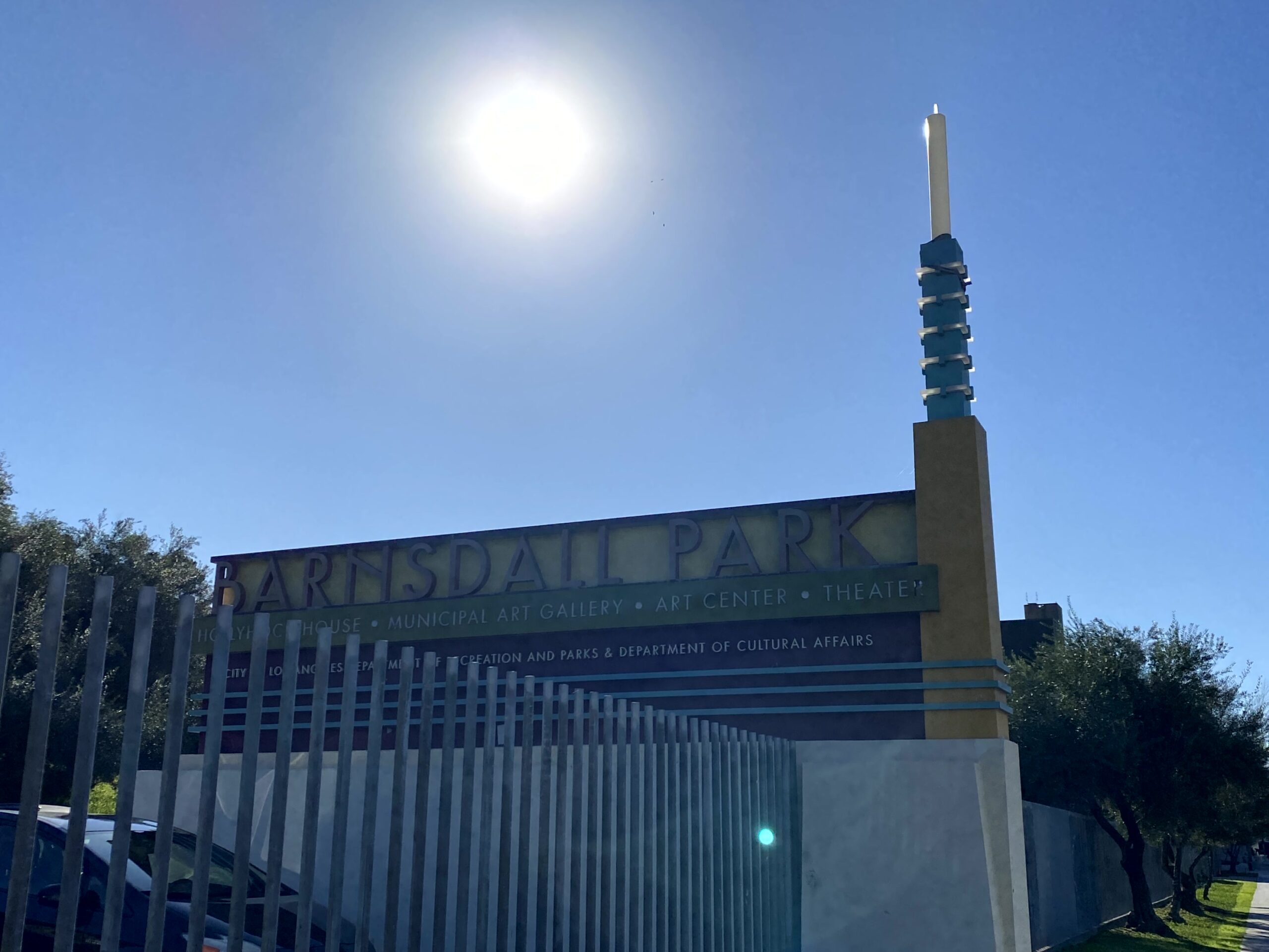
Barnsdall Arts Park is East Hollywood’s artsy green oasis that is home to the Los Angeles Municipal Art Gallery, Barnsdall Gallery Theater, and even an historic Frank Lloyd Wright house, the Hollyhock House. The entrance with stairs is on Hollywood Boulevard and New Hampshire Avenue, and an accessible ramp is closer to Edgemont. La Luz De Jesus Gallery just a few hundred feet down Hollywood Boulevard also features local artists, plus a fun and quirky retail store.
Dining
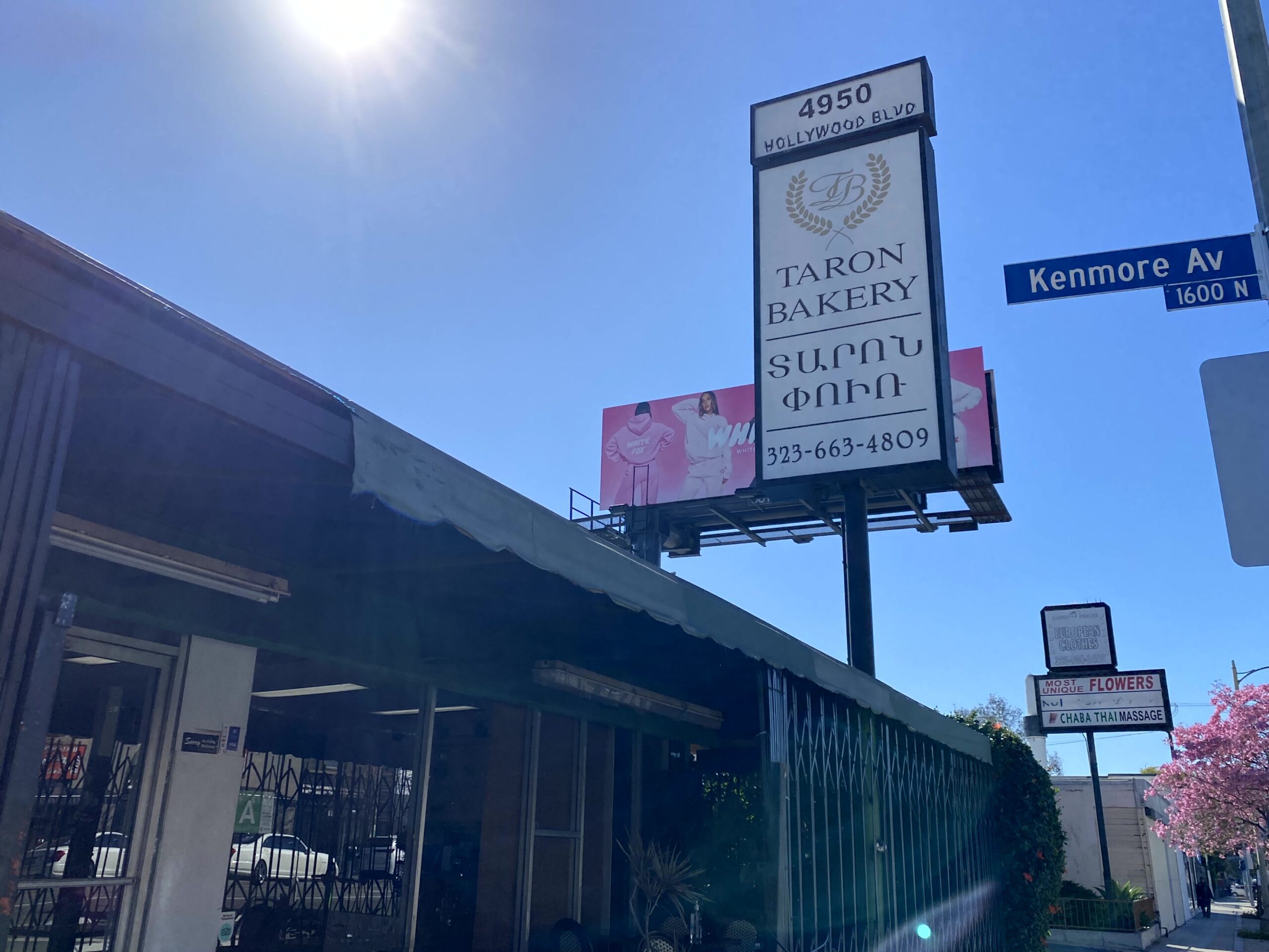
East Hollywood has food from literally all around the world. Being in such close proximity to Historic Filipinotown, Thai Town, Little Armenia, Little Bangladesh, and Koreatown just a little further south, this diverse variety of cuisine all comes to congregate in East Hollywood.
If you’re seeking fine dining, there are some famous options like Saffy’s. Unlike its flashier west side counterparts though, East Hollywood is all about casual dishes, street food, and takeout where you can feel zero shame showing up to get it in sweatpants and a messy bun.
You’ll find the most delicious taco truck you’ve ever eaten from in a random parking lot. Authentic Armenian bourek and lahmajun are easily found in small holes in the wall, and often at prices that provide some relief from the endless inflation of the 2020s. There’s fast food and casual chains as well sprinkled throughout East Hollywood, but also a couple legendary eateries like Marouch and Mexican Village.
The best pupusas can also be found wandering the side streets south of the 101.
If you’re tired of those gimmicky Instagrammable burger joints where it costs $20 to have a subpar plate of garlic fries in front of plastic vines, East Hollywood is the place to be for authenticity and lunch specials alike.
Education and Employers
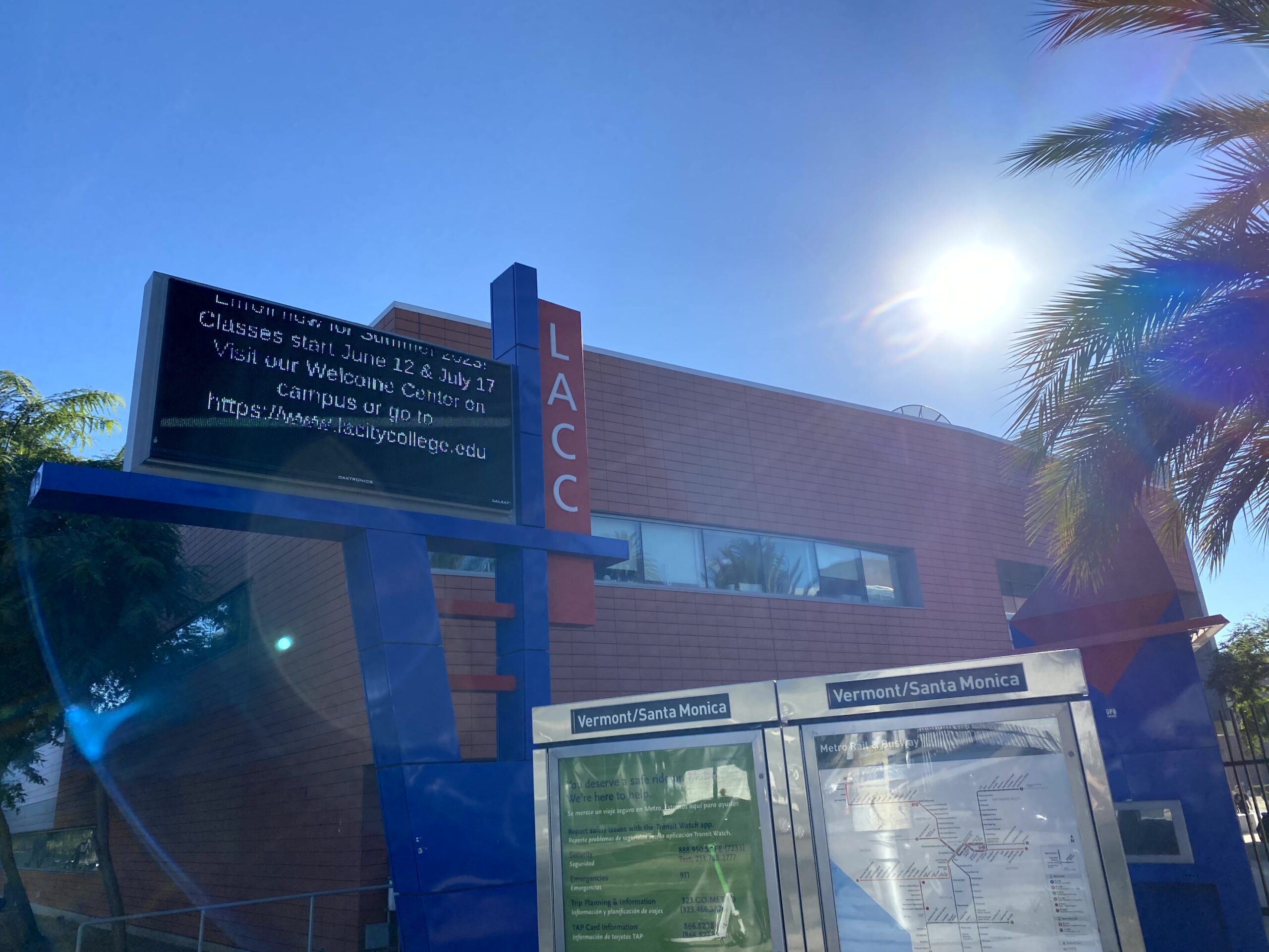
East Hollywood has a handful of LAUSD public schools and private charter schools within its boundaries, such as Dayton Heights Elementary and Citizens of the World Charter School. The main educational institution for adults is Los Angeles City College (LACC) adjacent to the Vermont/Santa Monica Metro stop. LACC offers a wide variety of programs and support services to both traditional and nontraditional students from all walks of life. If you’re thinking of going back to school because AI and the mid-2020s job market were brutal to your career, LACC offers incredibly inexpensive certification programs for Los Angeles residents, such as an ABA-approved paralegal program.
The Braille Institute on Vermont and Melrose offers free workshops for visually-impaired children and adults, and their loved ones. They even have many free accessibility resources on their website. All of the Braille Institute’s programs are completely free of charge regardless of your ability to pay. Their East Hollywood campus provides a vital center for people with vision loss, and their loved ones seeking support and connection to services and healthcare professionals.
The vocational schools American Career College and West Coast Career College are also located in East Hollywood.
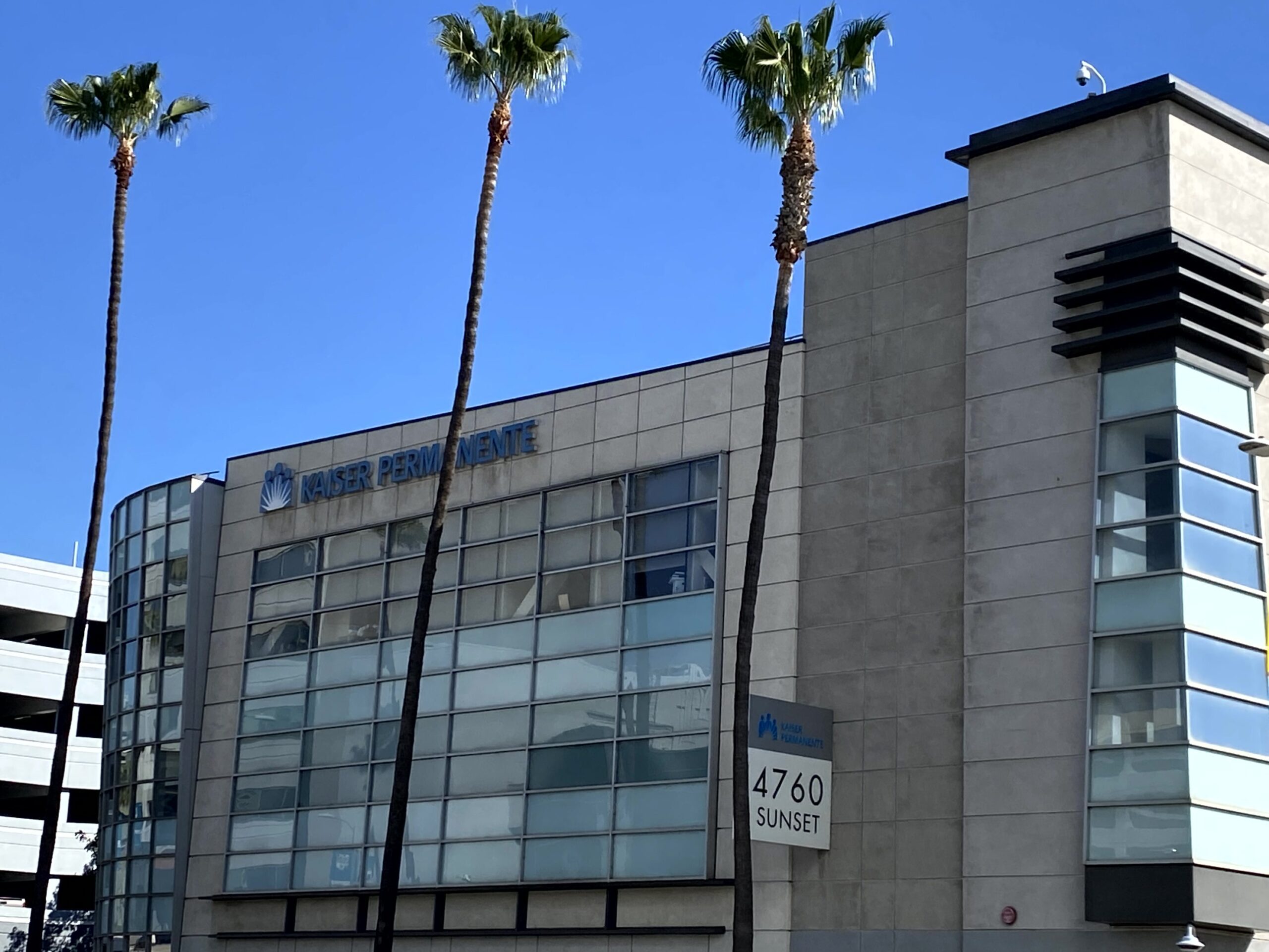
East Hollywood is home to numerous small businesses in a variety of industries, which certainly includes entertainment and the ancillary businesses surrounding it. However, the largest employers in the neighborhood are in healthcare: Kaiser Permanente has a massive campus sprawling across Sunset Boulevard, complete with a research and medical education center. The Children’s Hospital of LA is directly to the east along Sunset Boulevard from the main Kaiser Permanente campus, and both are easily accessible by both Metro and car.
Is East Hollywood Expensive?
Rent in East Hollywood is lower than the citywide average, coming in at about $1,873 for a 1-bedroom apartment as of 2026. Since the neighborhood has a high proportion of single people without children, the demand for studios outstrips demand for larger units with studios exceeding $2,000 if you’re starting a new lease. You can find a better deal on a 1-bedroom or even 2-bedroom unit. The median home sale price is just under $975,000. While there is new construction with more expensive apartments cropping up in East Hollywood, the dominance of older housing stock keeps the rent and home prices relatively lower in comparison to other neighborhoods north of the 10.
East Hollywood is not immune to the affordability crisis affecting Los Angeles as a whole, but remains far more affordable compared to trendier storied neighborhoods like Los Feliz and nearby Larchmont Village. With easy access to transit and the 101, you’re a very close drive or ride away from shopping, dining, activities, nightlife, medical care, major job centers, and more while offering a more low-key living space, which is why East Hollywood is now a popular alternative to Los Feliz and the Hollywood Studio District.
Is East Hollywood Family-Friendly?
East Hollywood’s housing stock can make it difficult to find sufficiently-sized housing for families, as there are fewer 2-bedroom and larger units available for rent in comparison to the number of studios and 1-bedroom apartments while affordability of single-family homes remains a concern.
Despite the challenges in housing, East Hollywood is more family-friendly than many highly-coveted neighborhoods. While there is some nightlife, it isn’t the main draw of the area like West Hollywood. The neighborhood is walkable with transit options for children to reach school on their own, and there are multiple private and public schools within East Hollywood’s boundaries. If your children need medical care, both the Kaiser Permanente campus and Children’s Hospital of LA are very close by on Sunset and Vermont.
Although the area lacks in public parks with the exception of Barnsdall, your children can have a courtyard if you’re lucky to snag a bungalow unit. With a library nearby along with movie theaters, and the Family Fun Arcade on Vermont Avenue, plenty of families find home and community in East Hollywood.
Is East Hollywood Safe?
East Hollywood is part of Compstat’s Hollywood Area Profile. The statistics show that violent crime is extremely low in the area, despite a small increase between January and February 2026. The majority of crimes committed in the area are property crimes, with a sharp increase of vehicle thefts reported. Larceny actually went down over time. Crime Mapping showed no crime reports in the neighborhood at all at the time of writing and editing this article in March 2026.
Vehicle theft is a city-wide problem, especially in neighborhoods where street parking is a fact of life. However, the late night dining options and smattering of nightlife help keep East Hollywood’s vehicle theft numbers lower than car thief hotbeds like DTLA. Irrespective of what the crime statistics say, however, if you cannot find covered parking anywhere, always lock your vehicle and don’t store any valuables or hard-to-replace items inside.
With its central location, rich cultural fabric, strong transit connections, and wide-ranging dining scene, East Hollywood offers a distinctly local way to experience Los Angeles. It is a neighborhood shaped by history, community, and everyday accessibility—qualities that continue to make it an increasingly appealing place to call home.