When you think of beach destinations in and near Los Angeles, almost everyone conjures up Santa Monica, Venice, and Manhattan Beach. Perhaps Malibu if you’re feeling adventurous. But if you’re totally over the west side annoyances like swarms of people making the schlep from the E station to the beach and smacking into influencers recording their every move, you don’t have to trek all the way to Ventura to get some quieter and less obnoxious beach time. You don’t even have to leave Los Angeles: there’s a maritime gem hidden in plain sight at the very end of South Bay: San Pedro.
Whether you’re seeking a family-friendly beach spot, a date night off the beaten path, or just a place to quietly walk the coast alone then grab a shrimp dinner at Bush-era prices, San Pedro is so much more than a cruise port and where your Amazon goods show up before they hit your doorstep. There’s even some haunting history you can catch on a calm day by the water.
Here’s why San Pedro is an incredibly underrated spot for a day trip and totally worth it if you’re coming from above the 10.
From Little Italy to the Port of Los Angeles: San Pedro’s History
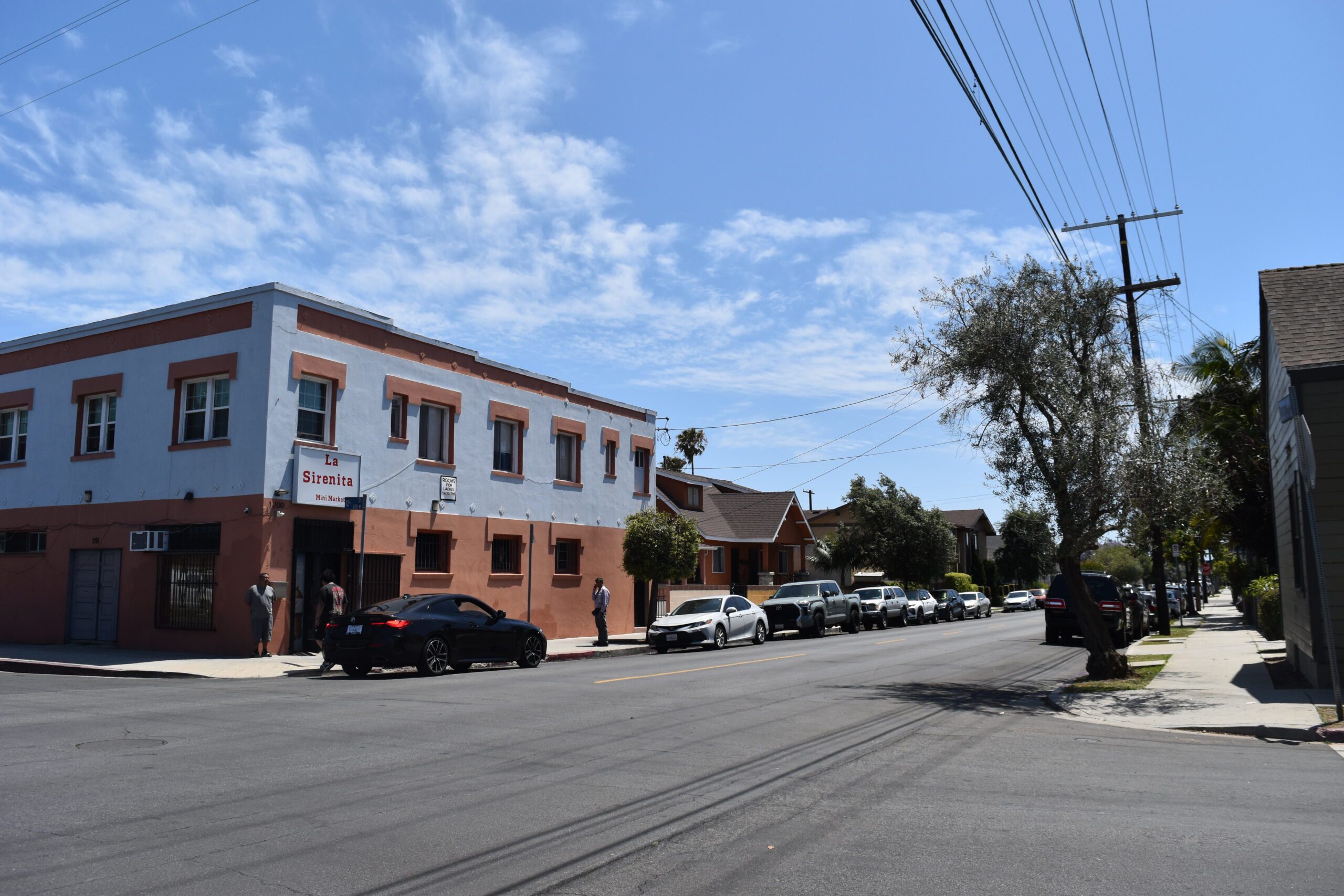
Contrary to popular belief, San Pedro is part of the City of Los Angeles and not a standalone city like nearby Long Beach. It’s just as much part of LA as Dodger Stadium and the Walk of Fame, even though you’ll often feel like you’re in a midcentury New England seaside town in spite of the palm trees.
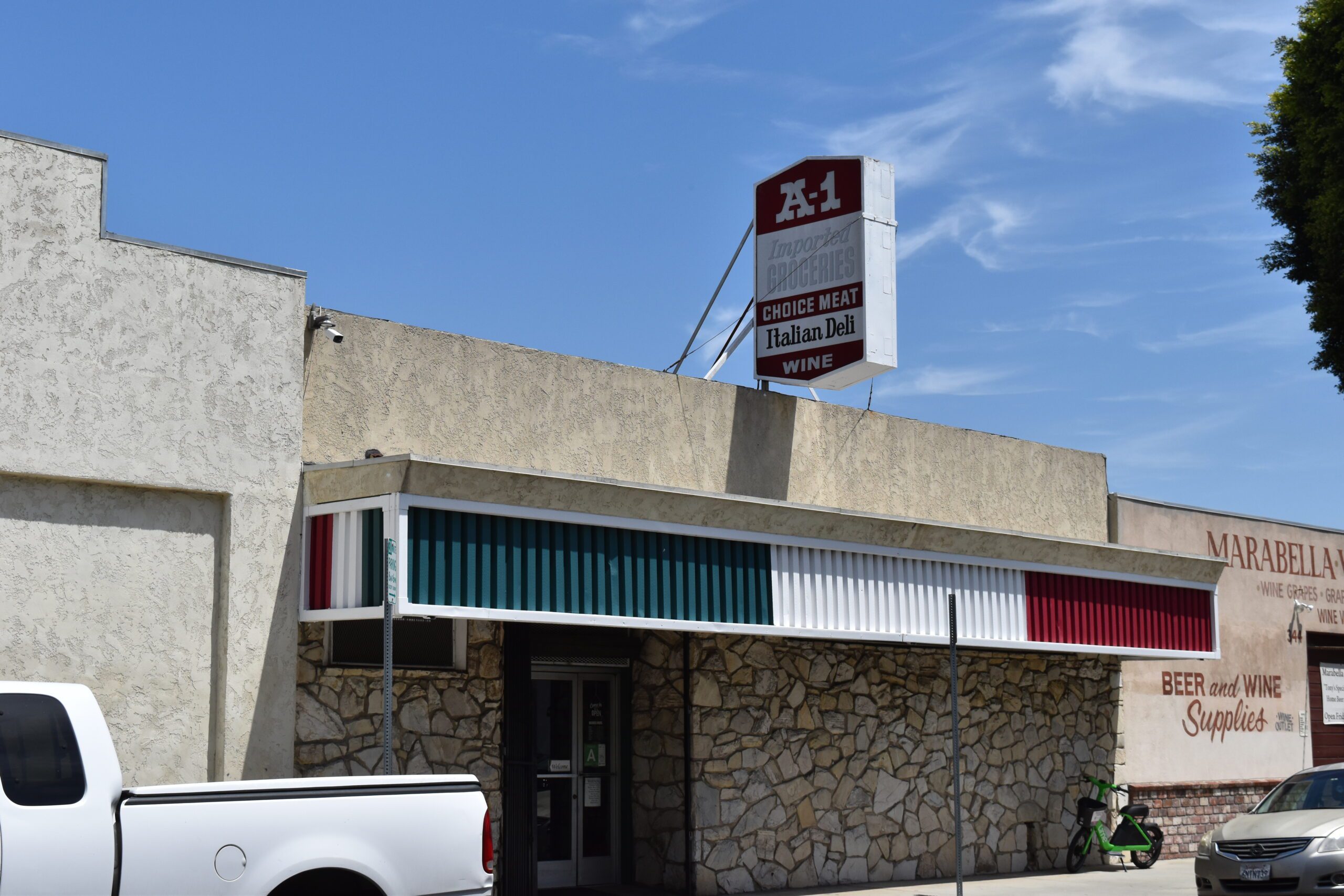
Both native Angelinos and transplants will argue all day about how you actually pronounce Los Feliz and some other neighborhood names based on their Mexican origins. Interestingly, San Pedro is pronounced with a long E, rather than how you would pronounce Pedro in Spanish, since it was a predominantly Italian neighborhood in the 20th century.
That Italian-American influence is still seen and felt in San Pedro today, with Little Italy appearing on most maps bounded by 6th Street to the north, 17th Street to the south, the main drag of S Pacific Avenue to the west, and S Mesa Street to the east. However, you aren’t likely to see awnings full of string lights and Italian flags the way you would in the remnants of New York’s Little Italy, or the bucolic Italian dining block in San Diego near the Gaslamp District. San Pedro’s Little Italy is more understated, with deeper historical context opposed to flashy imagery for visitors even though there’s a significant monthly volume of cruise ship passengers stopping by for a day or two.
So, how did San Pedro become a major port compared to other neighborhoods and small cities near the ocean? Italian fishermen became a defining force for the area, and other ethnic groups with strong ship-building histories, like Norwegians, soon also put down roots in San Pedro. Croatian fishermen and sailors also interwove with the fabric of the neighborhood’s bustling maritime community.
Initially, the Southern Pacific Railroad set its sights on Santa Monica to be the Port of Los Angeles, even building a large wharf there as San Pedro’s bay was too soft and muddy to support one. However, after much dispute between Southern Pacific, the government, and the Los Angeles maritime community, port construction began in 1899 with federal support then the area was annexed to the City of Los Angeles in 1909. The Port of Los Angeles in San Pedro opened in 1917, with Municipal Warehouse No. 1 still standing today.
During both World Wars I and II, San Pedro served as the U.S. Navy’s home port for battleships and Fort MacArthur was built there in 1914. The port would go on to become a major ship-building hub during World War II, then expand the port’s capabilities with a bridge to nearby Terminal Island completing construction in 1963.
In the postwar era, San Pedro cemented its position as a thriving maritime community thanks to the port’s strategic location. Manufacturing hubs were also set up in the area, with the Starkist tuna cannery being one of San Pedro’s largest employers after opening in 1952. San Pedro was not a company town by any means, since it’s part of the City of Los Angeles, but the cannery’s closure in 1984 was felt by a significant portion of the neighborhood’s residents, along with the departure of the fishing fleets that followed. Unfortunately, unlike Municipal Warehouse No. 1, the site of the former cannery did not qualify for historical landmark designation despite protests from locals.
Today, the Port of Los Angeles in San Pedro is one of the busiest ports in the world, transporting over 10 million 20-foot containers and 1.6 million cruise ship passengers annually. The Maritime Museum and Battleship Iowa are reminders of San Pedro’s warship-building past. Fort MacArthur remains as an extension of the Los Angeles Airforce Base, but is now primarily housing for Department of Defense personnel and their dependents.
Dining and Nightlife
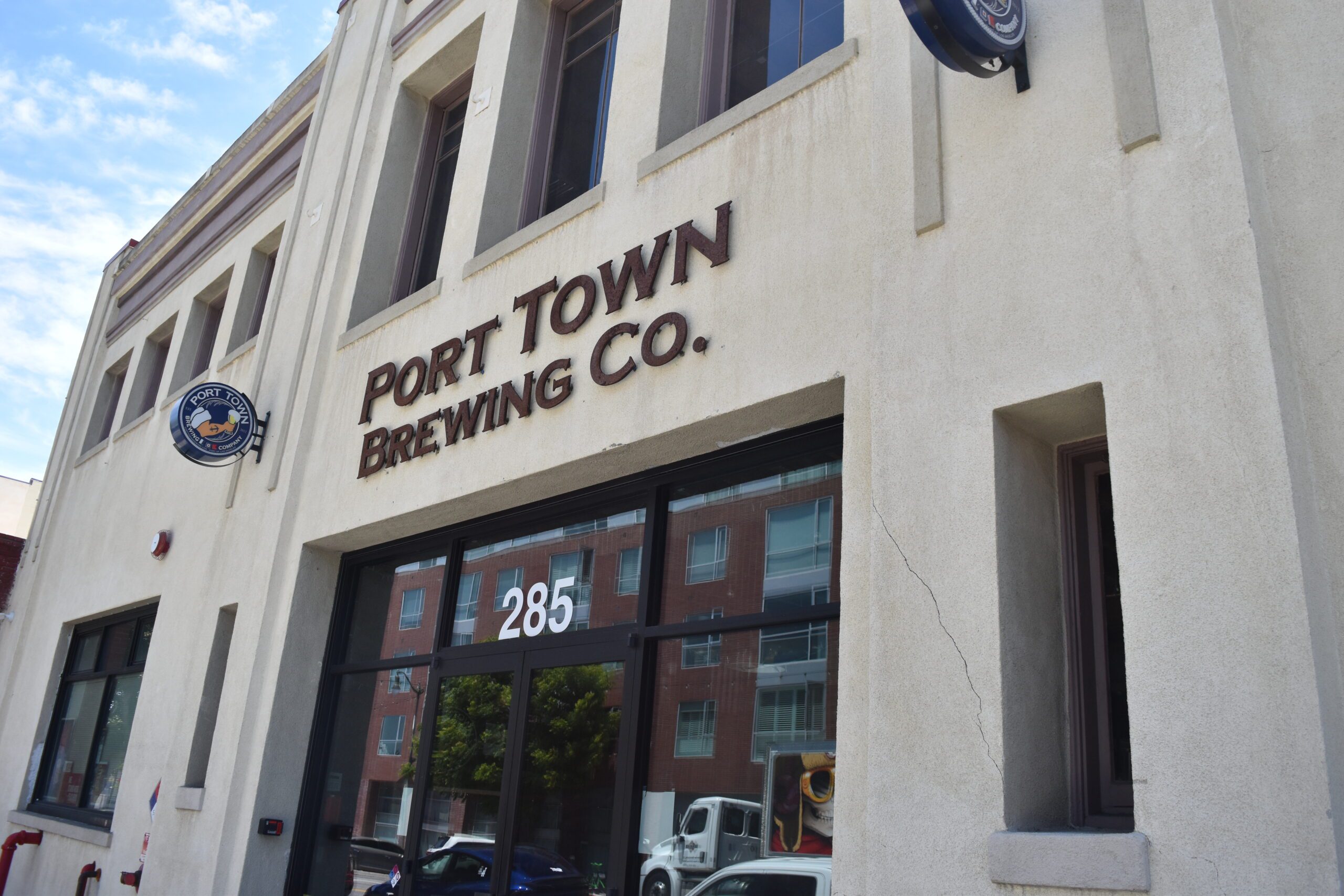
San Pedro is so much more than just a place where cruise ships dock next to container loads of TikTok Shop impulse purchases. Dining options at every price point can be found, but this neighborhood isn’t as “in your face” as core LA can be. You’re transported away from the fever dream-inspired food truck offerings and Instagrammable small plates that cost more than a week of groceries that you’ll often find on both the west side and in NELA.
There’s upmarket seafood options close to the water, like Trani’s Dockside Station, if you’re seeking an impressive atmosphere and experience for a date or business lunch. But if you just want some unpretentious and super fresh fish and chips, you can also hit up Crazy Fish Grill or the San Pedro Seafood Market for a more affordable al fresco option. You don’t even need to get a boat tour ticket: there’s hours of free entertainment watching the shipping containers come in and out of the docks, maybe you’ll even witness the next Evergiven.
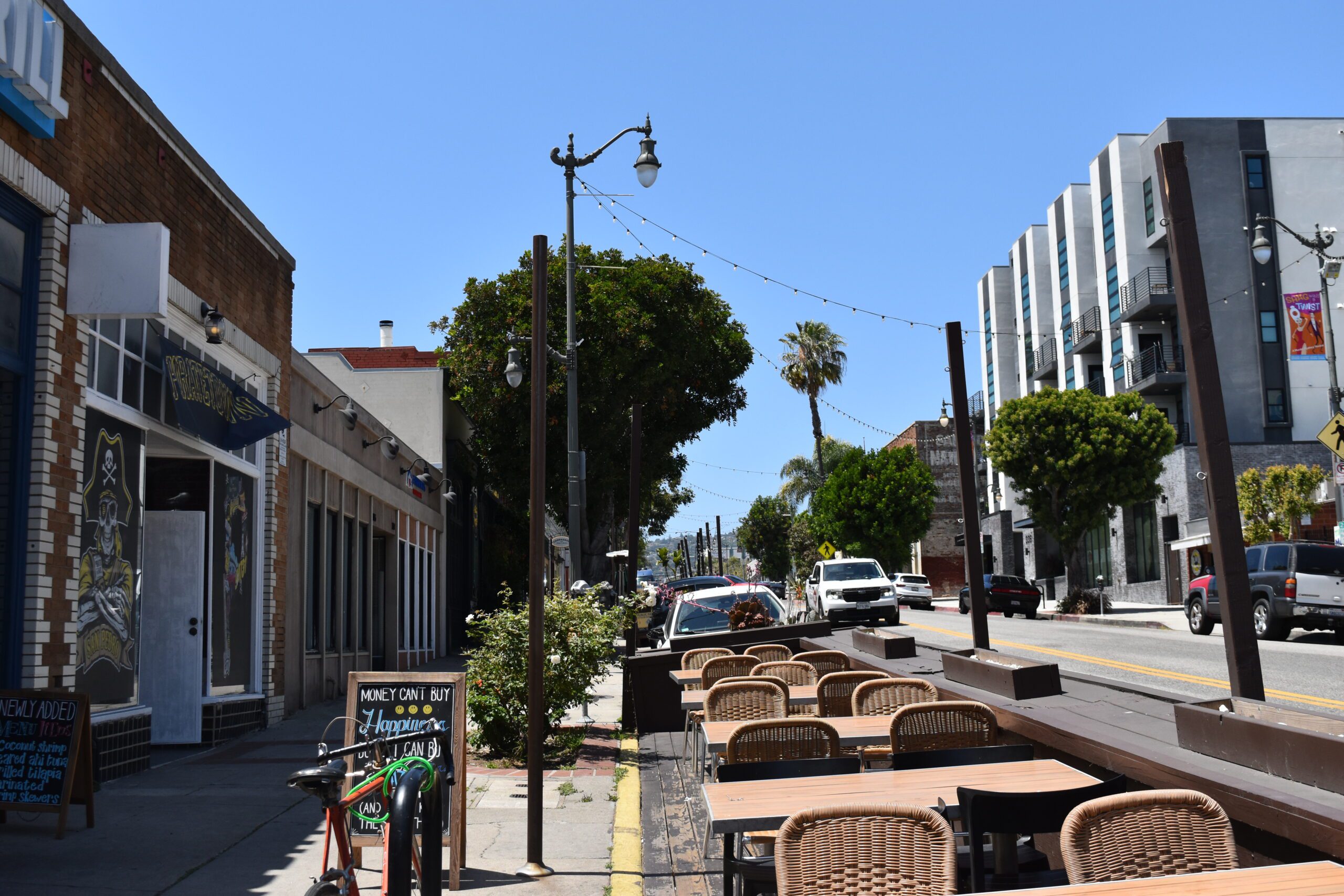
San Pedro’s main drags and quiet side streets offer diverse cuisine speaking to the neighborhood’s Italian and Croatian roots, with plenty of Mexican and Greek spots and pubs with food as well. Rafaello’s is one of the best-known holdouts in Little Italy. But if you ever lamented the hipster-ization of food and just want an old-fashioned diner or sandwich shop to hit up occasionally, San Pedro has you covered with the Pacific Diner and other low-key spots close to the water.
It can be harder to find late-night eats compared to neighborhoods farther up the 110. But you’ll find a surprising amount of nightlife after the docks go to sleep: there’s bars and pubs all along S Pacific, and even a record store that doubles as a punk and indie rock venue. Truly, a magnificent trip back to the 20th century.
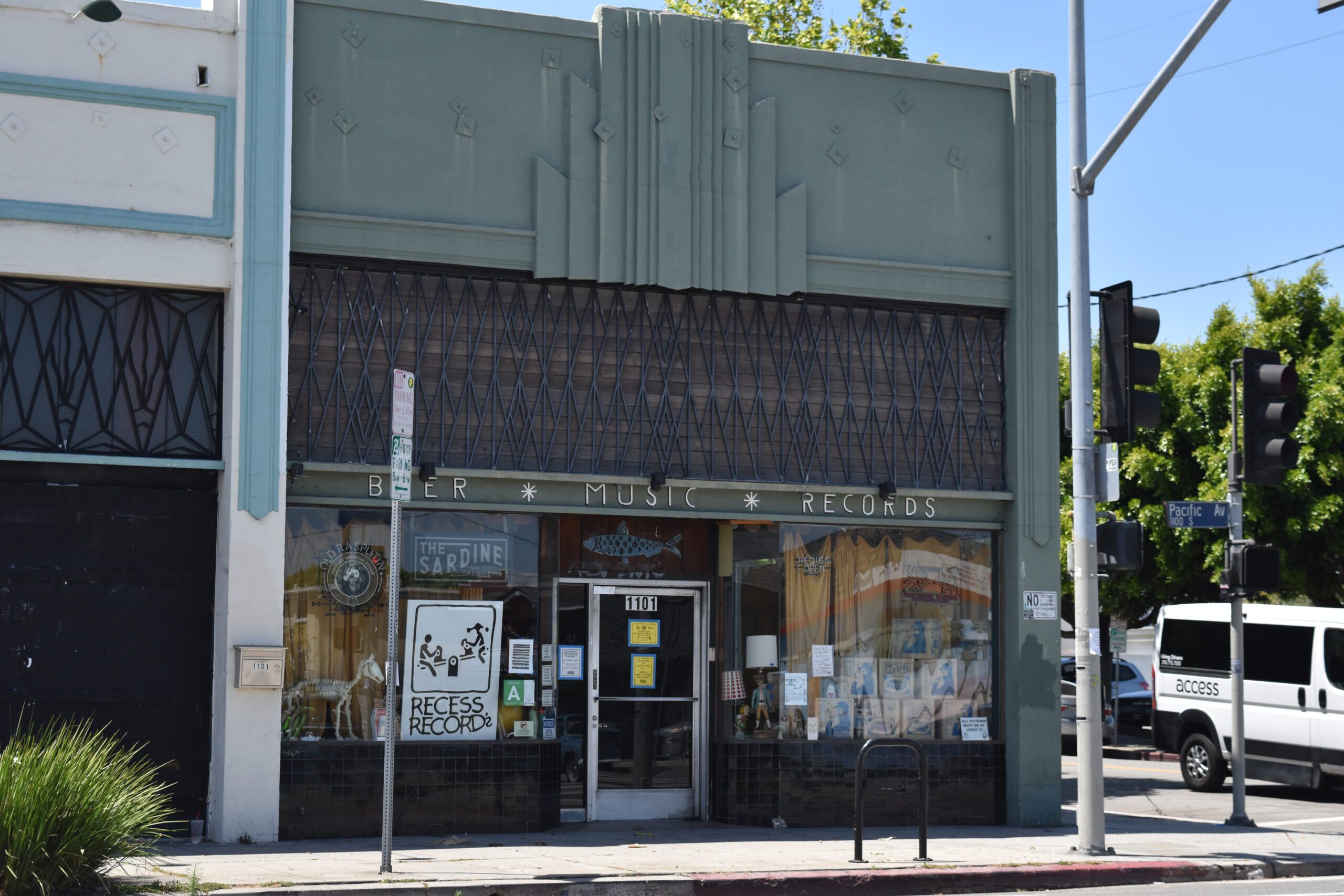
Family-Friendly Activities in San Pedro
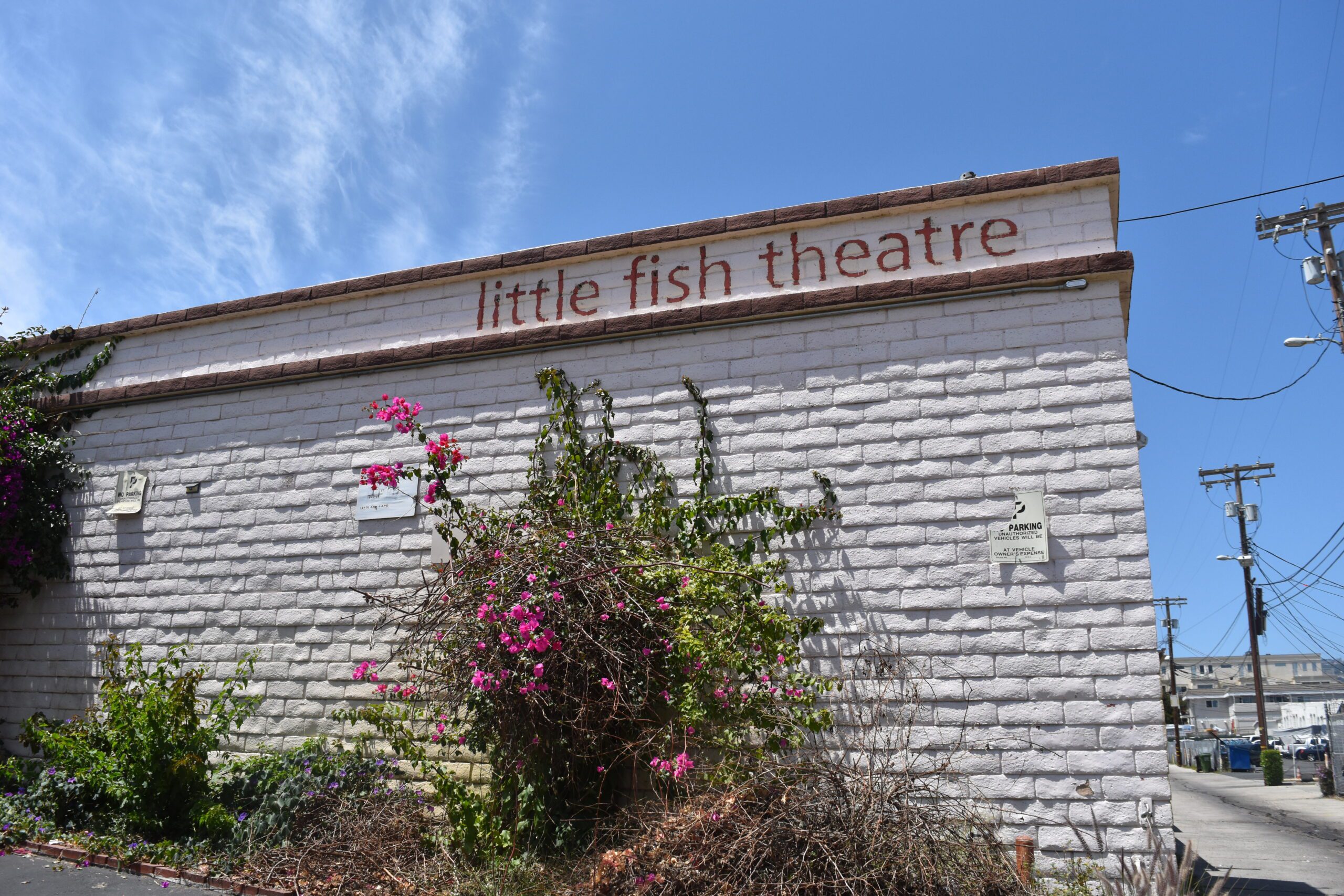
There’s plenty to do in San Pedro with friends, a date, or just a relaxing day trip by yourself. But if you have kids and need some ideas for an entertaining day or weekend trip on a budget, you’ll find some interesting spots beyond the beach alone.
One of the main attractions for both cruise ship passengers and downtowners taking a trip down the 110 is the Cabrillo Marine Aquarium next to the beach. Admission is free, with a suggested donation per adult and child in your party if you can swing it.
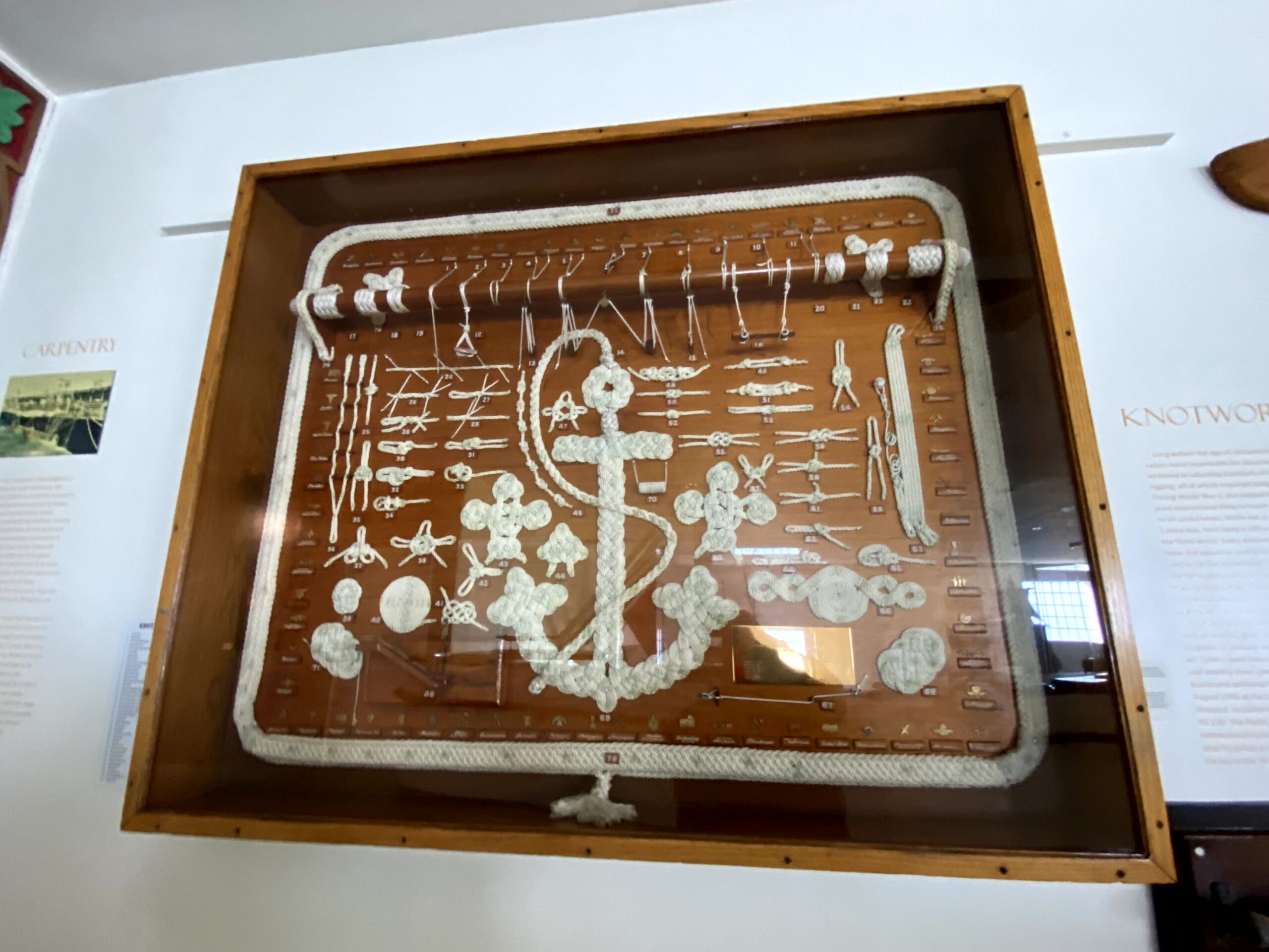
There’s also several museums with low admission fees, such as the Los Angeles Maritime Museum which is $5 for adults. As the largest maritime museum in California, this museum is a veritable wonderland of ships in bottles, battleship replicas, and relics of San Pedro’s not-so-distant past as a battleship yard. There are also exhibits devoted to the impact that the Starkist cannery had on the area, and the sobering reminder of Japanese internment during World War II that displaced local fishing communities.
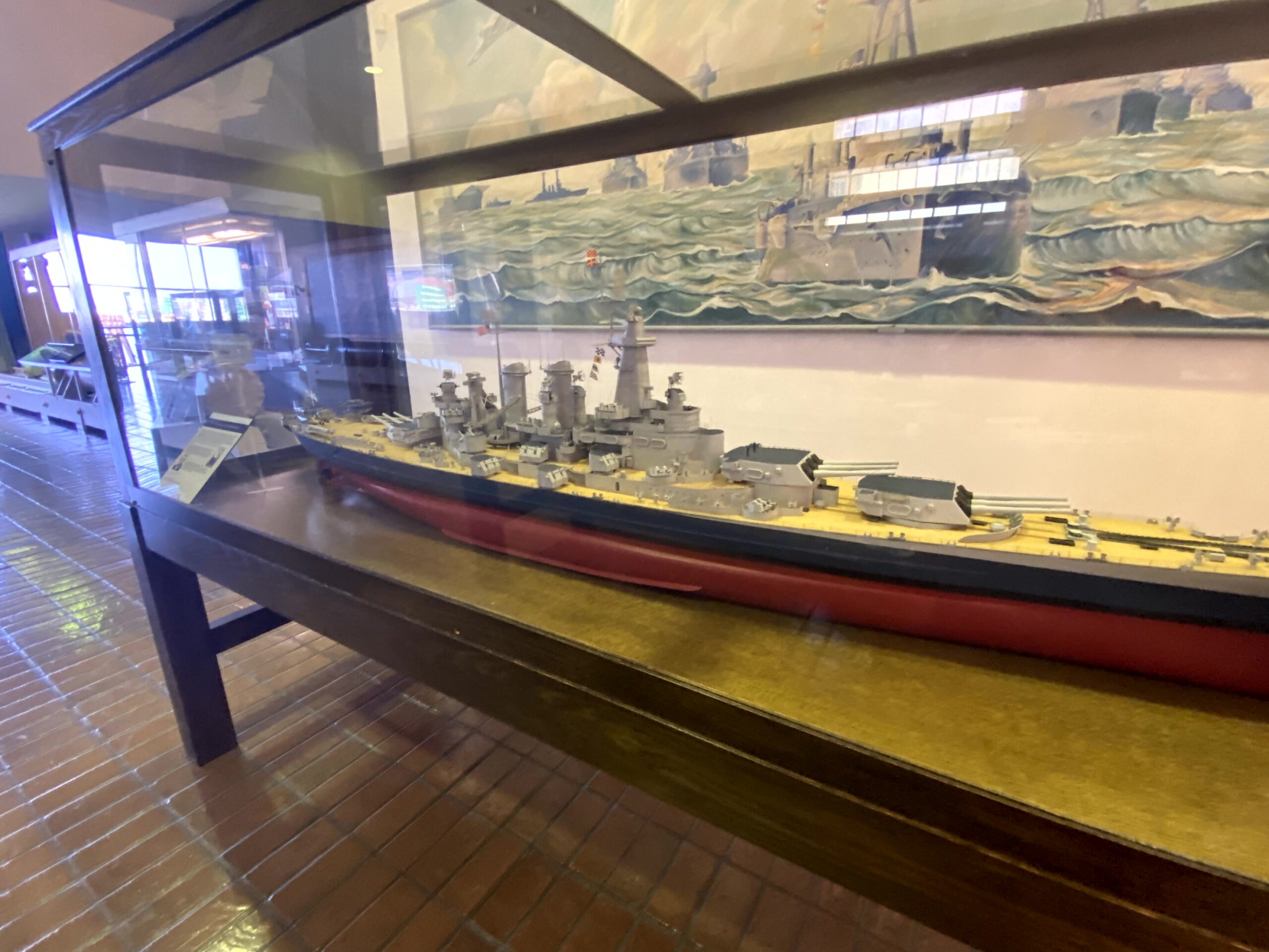
The Banning Museum also lends more insights into San Pedro’s port history, and the Drum Barracks and Civil War Museum is worth a visit.
You can catch whale-watching cruises near the Maritime Museum, and there’s even a large craft fair hosted by the Port of Los Angeles, CRAFTED. But if you need some free entertainment, Cabrillo Beach, nearby Palos Verdes hiking trails, aquarium, and the never-ending ship traffic got you covered.
Public Transit in San Pedro
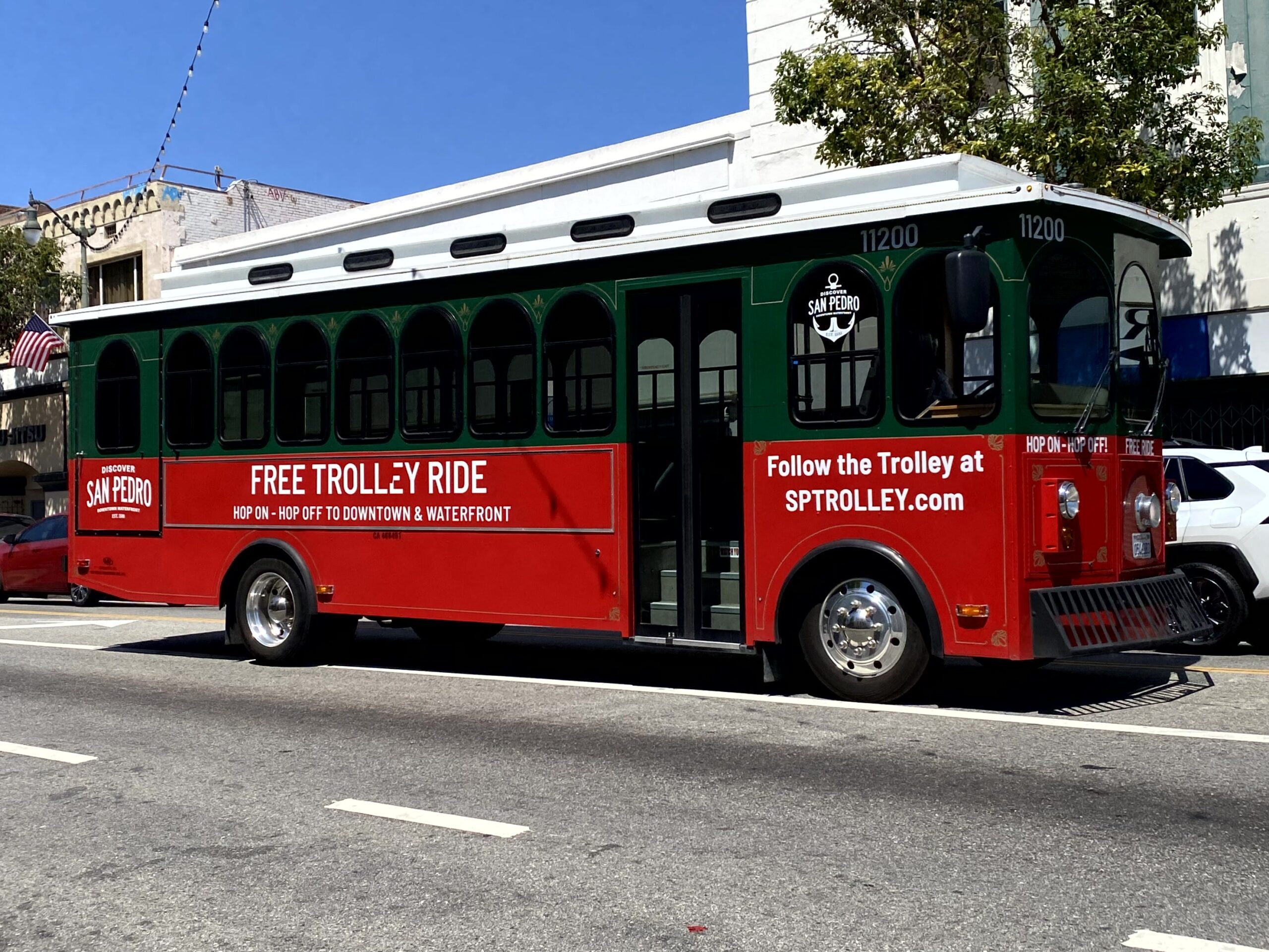
The current rail infrastructure in San Pedro is for freight use only. Although Metro has numerous projects in the works expanding rail access throughout Los Angeles, including the K line extension and free bus usage of the incoming 105 ExpressLanes, San Pedro’s public transit network is subsequently bus-based.
The main grid of San Pedro is also incredibly walkable in addition to the harbor itself. As someone who’s traveled significantly around the United States and other parts of the world, San Pedro’s transit infrastructure reminded me of County Wexford in rural Ireland minus the rail access: not as reliable as any given downtown, but with more frequent and reliable service than you’d expect for a relatively remote part of the county.
Locals get around with the Metro 246 local line running along Pacific Avenue that goes all the way to Point Fermin and the lighthouse near Bluff Avenue, or the 205 bus that goes to Willowbrook. There’s also a free trolley system both locals and visitors use that runs along the waterfront and the main drag downtown, stopping at museums, restaurants, cruise terminals, and terminates at the aquarium. The trolley only operates from 12PM-6PM, but is definitely worth getting a free ride if you just want to get to the waterfront.
Commuters can travel between DTLA and San Pedro without 60-70 minutes on the J silver busway, connecting riders to major transit hubs and connections like the Harbor Freeway C line stop, the Harbor Gateway Transit Center, 7th Street Metro Center, and Union Station before heading to Cal State and El Monte. The J also goes all the way to the cruise ship terminals, providing an easy and seamless option for passengers to explore the city then make it back to their accommodations.
The Commuter Express line also takes riders across Terminal Island to the Long Beach transit mall to catch the Metro A line, which can be a preferable option if you’re loaded down with beach gear. The J is very reliable with frequent service, but the buses don’t offer much room for wagons if you planned to bring bulky items like beach umbrellas and chairs. Taking the A to Long Beach then getting the Commuter Express bus is worth the wait for non-drivers planning a beach day with heavier beach gear in tow.
Planning a Beach Day in San Pedro
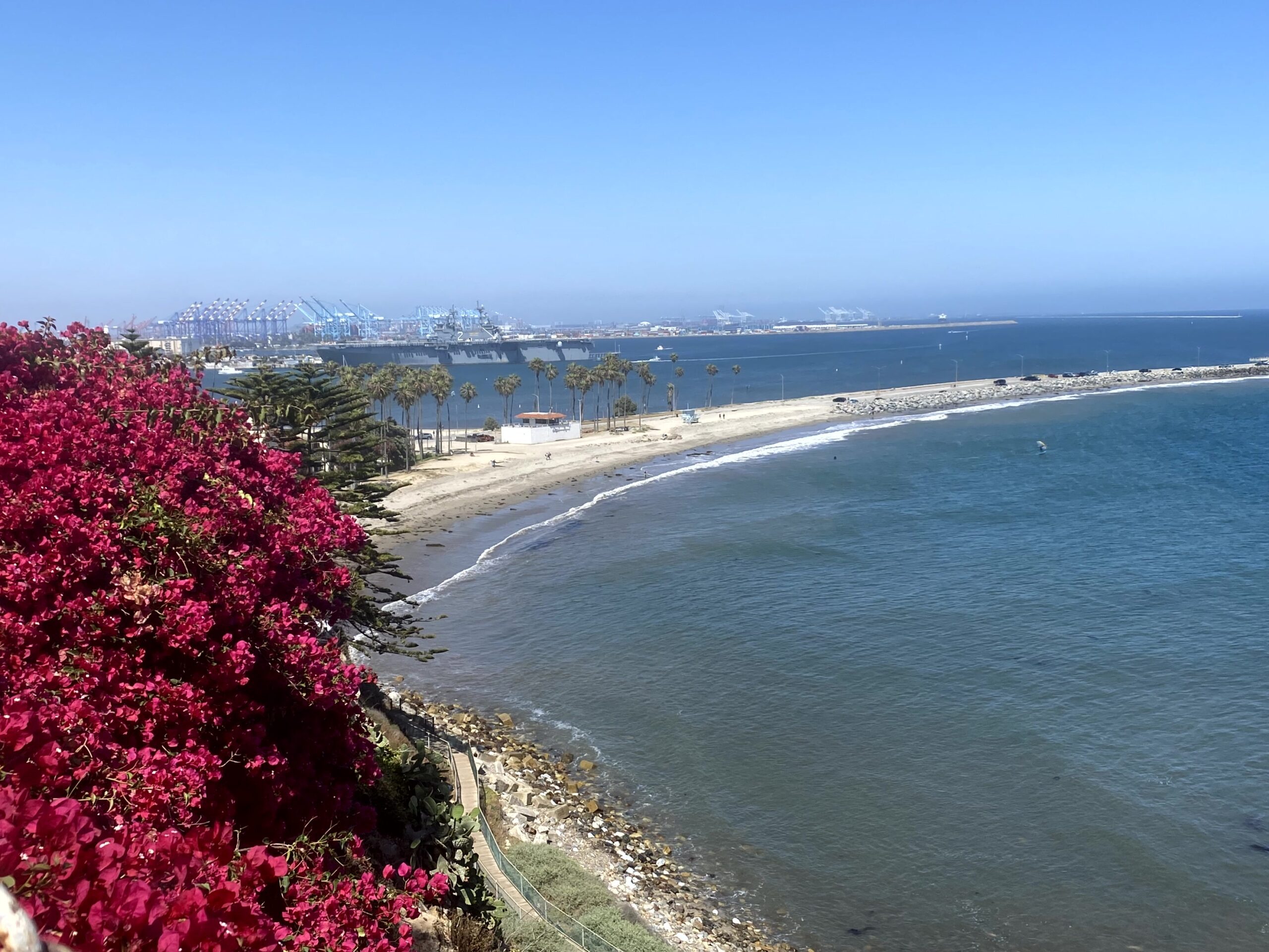
Cabrillo Beach is apt to be your main attraction when visiting San Pedro, even though the coastline and urban center also have plenty to offer. But if you want to catch some rays and see the historic Cabrillo beach house, you’ll have an easy time finding parking in the southern end of the neighborhood, especially if it’s not a weekend. Parking in Central San Pedro and Little Italy can be very scarce, but you’ll find lots and street parking closer to Fermin Point and Cabrillo Beach that don’t fill up in seconds like they do on the west side.
White Point Cove is also beautiful and worth checking out, but extremely rocky. If you’re going down to Fermin Point to check out the lighthouse, the cove is certainly worth the trip although it’s more of a “sit and look at the beach” destination rather than wanting to park there and pull out the umbrellas, towels, and other beach accoutrements for the whole family.
San Pedro also has some lesser-known history far beyond the port itself and battleships: the Sunken City at the tip of Fermin Point isn’t visible to the naked eye, but you’ll feel a presence when walking on the Bluff Avenue beach trail.
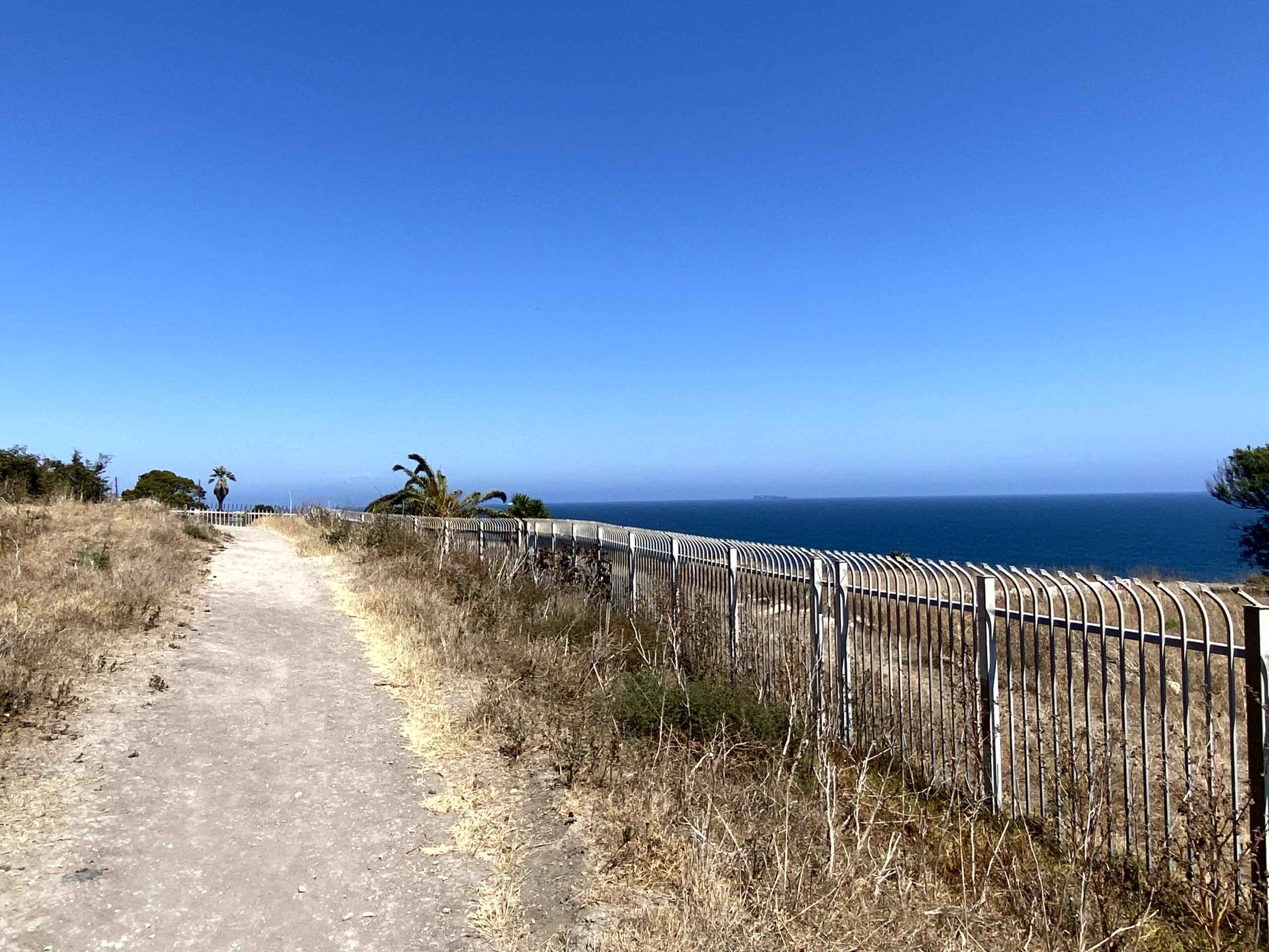
Adjacent to the Point Fermin lighthouse, the Sunken City is what remains of a landslide that started moving in 1929. In the ensuing decades, the sea claimed more of the land, including occupied bungalows. Geologists at the time measured that the landslide caused 11 inches of slippage per day at its peak, dramatically transforming the area and displacing residents. The landslide took down entire streets, railway tracks, sidewalks, and more.
The craggy area with the remnants of the sunken city is fenced off and visitors who jump the fence can be charged with trespassing plus heavy fines. As a freelance reporter who does not want to test my liability coverage, I avoided entering the collapsed area by the fenced-in escarpment. However, you do not need to jump the fence to sense the eerie feeling that a tragedy occurred in the area.
Fortunately, no one was hurt in the landslide as they evacuated in time and either relocated their entire home, or just themselves if their homes could not be saved. But as I walked along the fenced-in path, I could hear soft wails coming from the ocean. They weren’t any marine life: simply mourning calls carried by the ocean from the direction of the Sunken City. Without the noisy throngs of beachgoers, cacophonous boardwalks, or irksome street interviews from podcasters, you can feel the stillness in the area and sense the spirit of homes and ways of life from another time that died there unceremoniously: a stark reminder that the sea will indeed claim everything and there’s always a risk with beachfront property.
But if you just want to check out the ghostly presence for the day, it’s absolutely worth the trip down the 110.