In 2026, Metro announced several transformative public transit projects such as the Sepulveda Corridor rail project and pink K line extension across Hawthorne Boulevard. Between the Hollywood Hills and South Bay sprawl, however, few transit projects have received as much fanfare as the long-awaited extension of the purple D line into Beverly Hills. On May 8, 2026, three new stations just opened with packed trains and immense social media fervor on the opening weekend.
Metro’s tongue-in-cheek “Ride the D” campaign with matching merchandise made waves across social media, picking up steam in the months leading up to the opening of the new stations along Wilshire Boulevard. Throughout the entire opening weekend, Metro waived fares system-wide to encourage new riders to see how quickly they could now go between DTLA and Beverly Hills without a car (about 20 minutes).
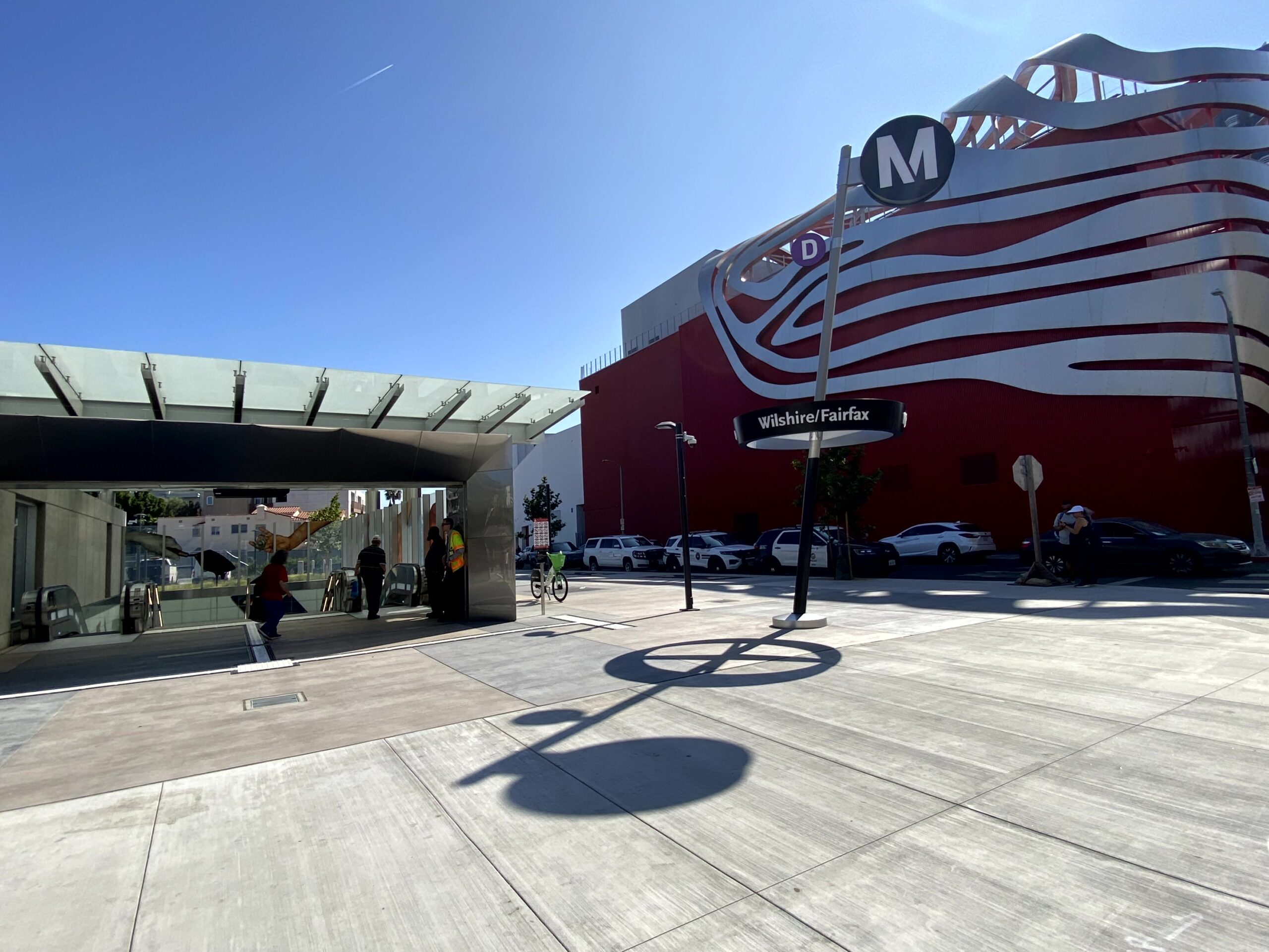
Thousands of excited riders donned Ride the D T-shirts and tote bags, and their own purple clothing and accessories, as they saw how quickly they could reach their favorite brunch spots along La Brea and cultural institutions next to the new Fairfax station.
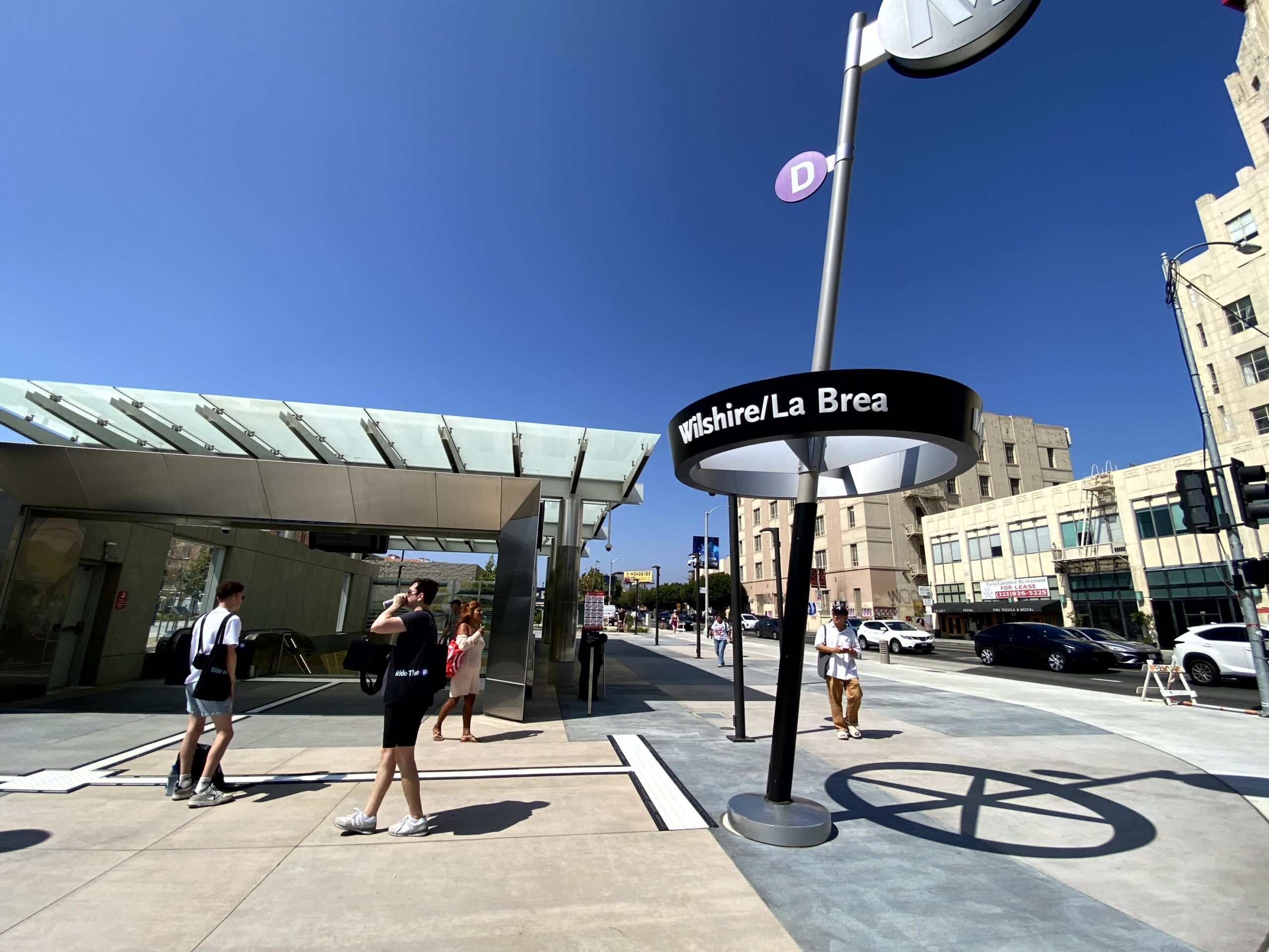
What makes the first phase of the D line extension feel different from other Metro projects is both the public reaction and Metro’s noticeable efforts to not only expand transit access, but to fully entrench transit into the LA way of life. In the first 90 days of service, Metro is partnering with local businesses, nonprofits, and other organizations to draw in riders and showcase local restaurants, makers, and more. Farmers’ markets at the Wilshire/Fairfax and Wilshire/La Brea stations are coming along with free salsa dancing classes, pickleball, and basket-weaving classes courtesy of the Craft Contemporary Museum among others.
You can learn more on Metro’s dedicated webpage for D line station events.
Increasing Access to Culture, Shopping, Dining, and More
The D line is aligned with Wilshire Boulevard, a dense thoroughfare spanning nearly the entire City of Los Angeles which always made it prime for transit development. Now that the first phase of development has come to fruition, there is a new frontier of convenience, affordability, and higher quality of life in transit-oriented communities.
Have you been meaning to finally go to LACMA, or one of the other museums along Museum Row, but never got around to it because parking was too expensive and difficult, or riding the 20 or 720 bus lines along Wilshire can be a miserable experience only paralleled by the LAX-It Lot? Now you can easily reach vaunted institutions like LACMA, the Petersen Automotive Museum right next to the station, the Craft Contemporary Museum, the Academy Museum, and much more on foot.
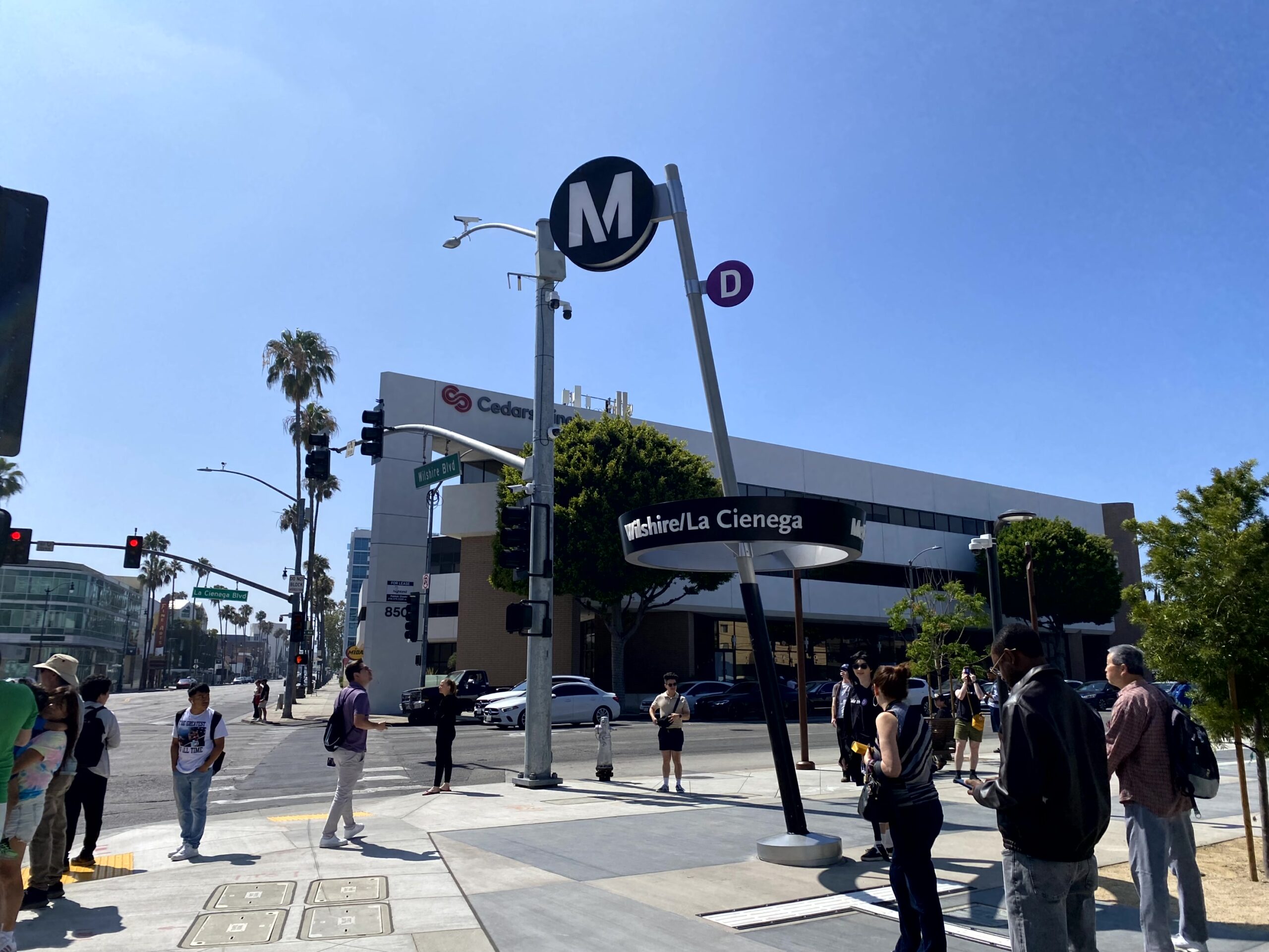
The Original Farmer’s Market just got an influx of new vendors in the past year, with more potential changes in 2026. Formerly accessible by car and bus only, the farmer’s market and The Grove are now about a half mile walk from the new Wilshire/Fairfax station. The Metro 217 bus across the street from the station can also take you there in minutes. The La Cienega station is a similar distance from the Beverly Center and the main Cedars-Sinai campus, simplifying commutes for healthcare workers and providing patients with more options to make it to their appointments on time.
The La Brea station is also near the historic El Rey Theatre, and popular restaurants like Met Her At a Bar, Roji Bakery, and Andre’s on Wilshire. Who needs valet parking, or calculating trigonometry to park ten blocks from your destination, when you can hop on the D for $1.75?
LA’s Transit-Forward Future
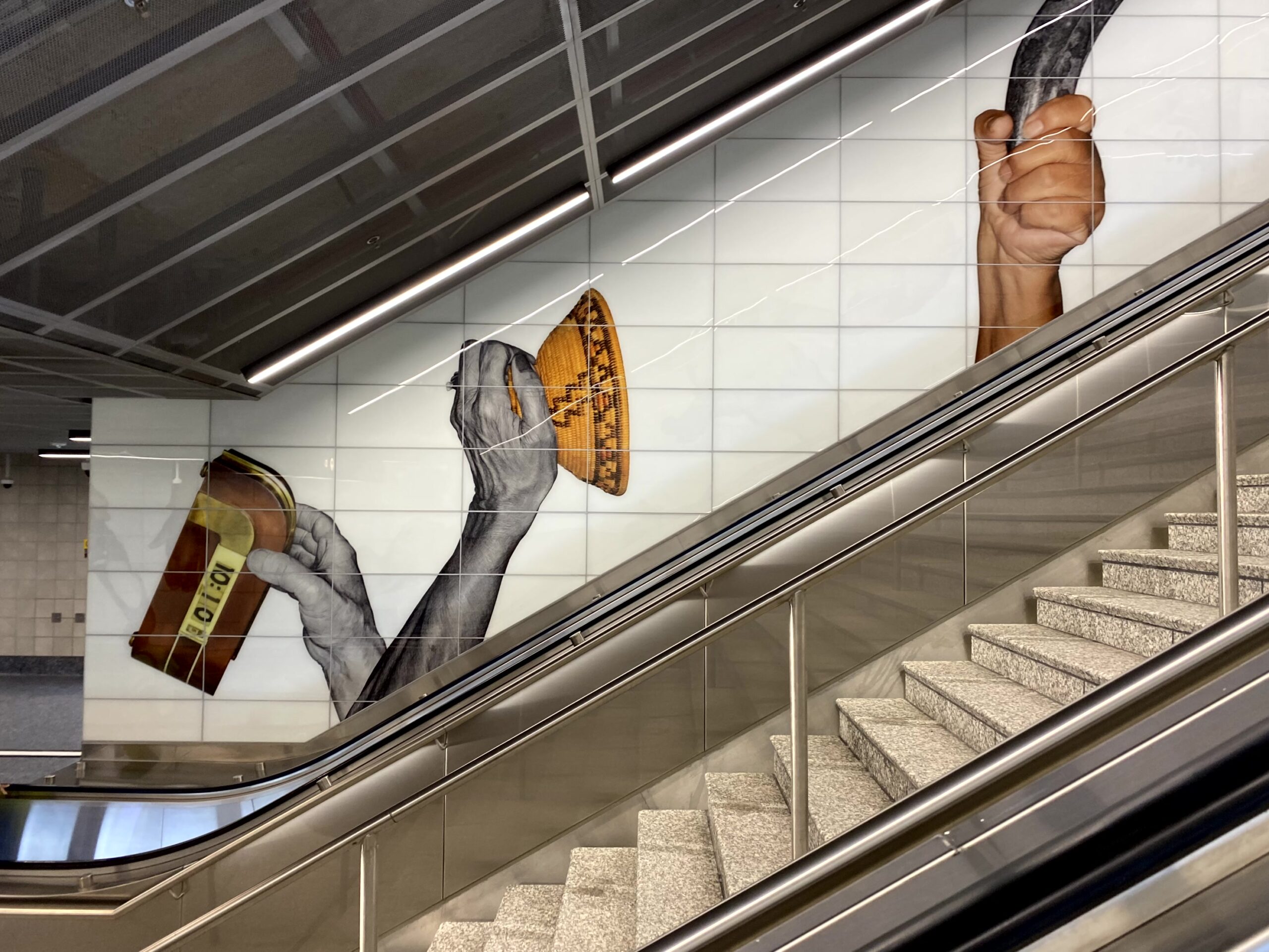
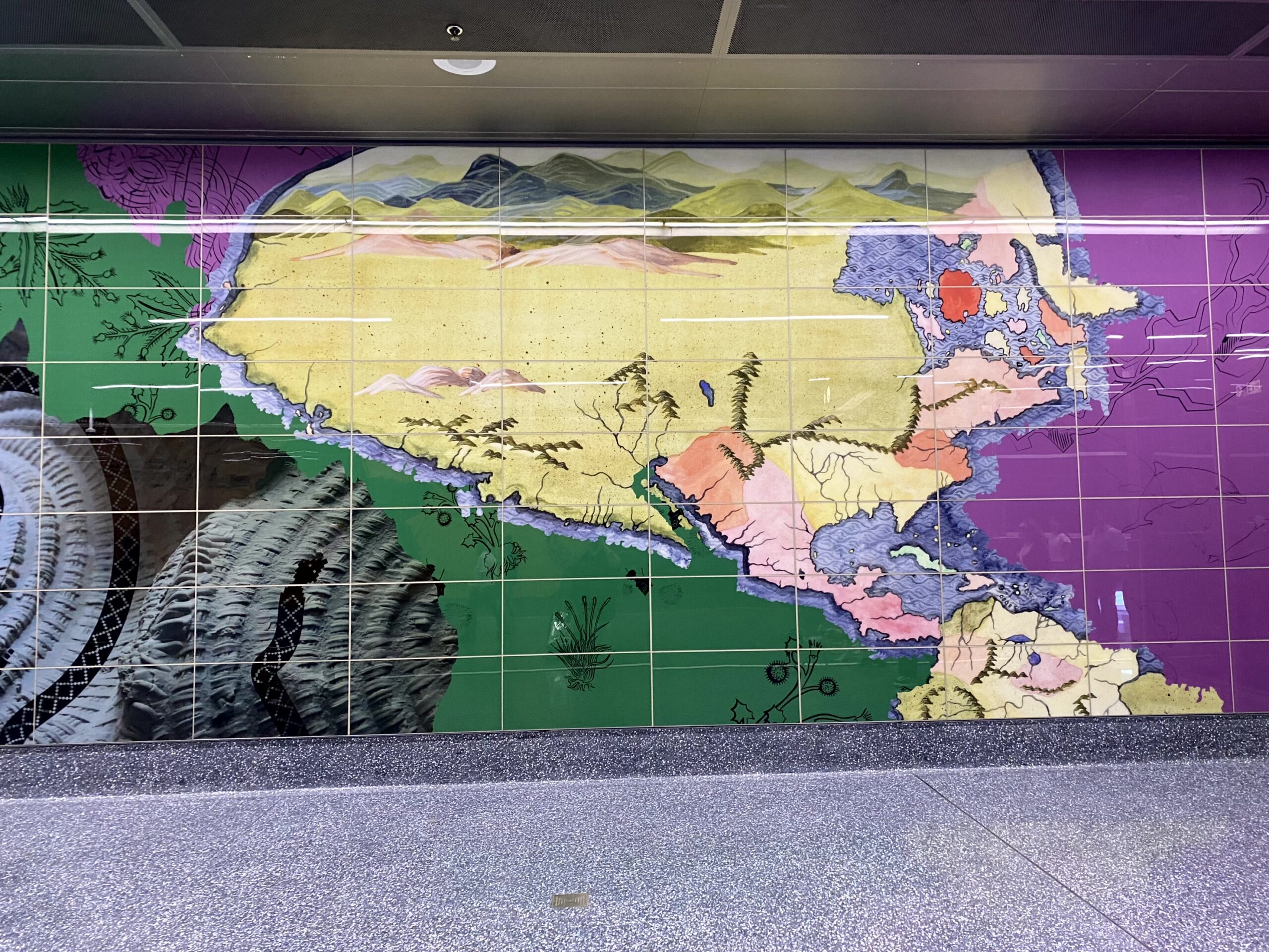
With so many new transit projects in the works, people may be unsure what to expect. Metro is using the new D line stations as an example for the incoming remainder of the D line extension and other rail projects: each new station features bespoke public art by local artists which bedecks the platforms, walls, and exits, and will persist long after the shiny new feeling has worn off. All the new D stops are ADA-compliant with simple and legible wayfinding, elevators and escalators going all the way from the platform to the street level, and new fare gates in place of the older turnstiles.
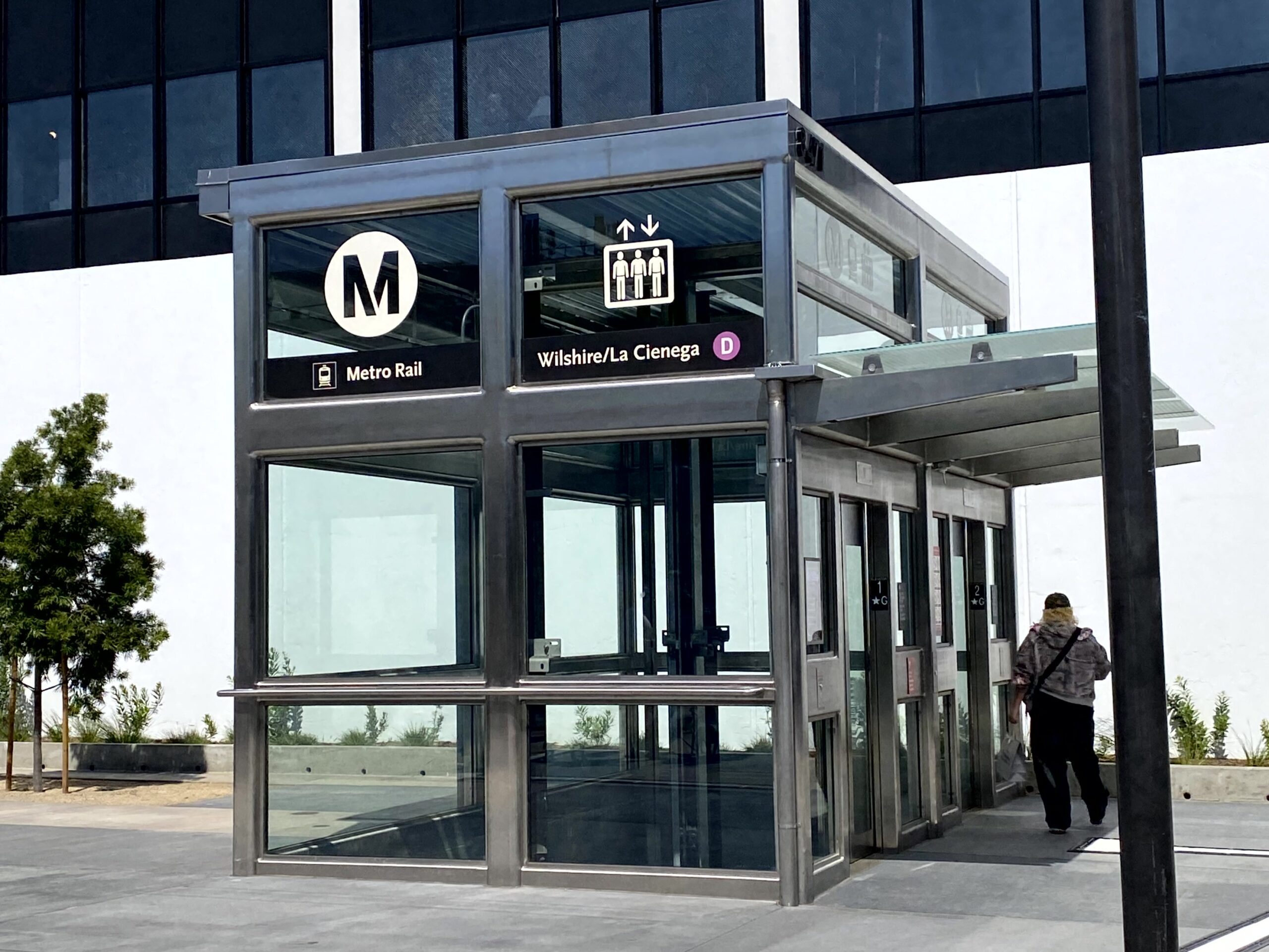
As gas prices continue to rapidly escalate and Angelinos endure perpetual annoyance with traffic and parking, more locals are starting to embrace Metro if they live close enough to a station. Metro CEO Stephanie Wiggins proclaimed at the February 2026 Metro board meeting, ridership across all Metro rail lines has drastically increased year-over-year. The three new D line stations are expected to result in similarly sharp increases in D ridership, only helped by the meme-able “Ride the D” campaign.
Almost four miles of track was just added to existing D line infrastructure. Section 2 encompasses 2.59 miles across two stops, Beverly Drive and Century City, and expects completion in 2027.